How Much Does It Really Cost to Keep a Pet Reptile in the UK?
When families ask how much a pet reptile costs, they are often thinking about the price of the animal itself.
A leopard gecko might cost less than a family day out. A young snake may look surprisingly affordable. But the reptile is frequently one of the least expensive parts of responsible ownership.
The real cost includes creating and maintaining a suitable environment, providing the right food and lighting, replacing equipment and being prepared for specialist veterinary care.
Before bringing a reptile home, it is worth looking beyond the price on the enclosure.
The animal is only the beginning
The purchase price of a reptile varies enormously.
Species, age, colour, pattern, breeder and availability can all affect the amount you pay. Some commonly kept reptiles may cost under £100, while particular morphs or less common animals can cost hundreds or considerably more.
A higher price does not automatically mean a healthier or more suitable pet. Equally, a very cheap reptile is not necessarily a bargain.
The important questions are:
Has the animal been bred or sourced responsibly?
Does it appear healthy?
Is it feeding reliably?
Can the seller provide accurate information about its history?
Is the species genuinely suitable for your family?
Whether the reptile costs £50 or £500, it needs the same commitment to appropriate care.
How much does a reptile setup cost?
For many families, the enclosure and equipment will be the largest initial expense.
A suitable setup may include:
an appropriately sized enclosure
controlled heating
suitable UVB lighting
a thermostat
thermometers and humidity-monitoring equipment
safe light and heat fittings
hides and shelter
climbing structures or branches
substrate
bowls or feeding ledges
enrichment and naturalistic furnishings
secure locks or catches
The exact list depends on the species. A crested gecko needs a very different home from a royal python, and a tortoise should not simply be placed in a small glass tank.
As a broad UK planning guide, a responsibly equipped setup will commonly cost several hundred pounds. Smaller or less equipment-intensive setups may begin around £250–£400, while larger enclosures with high-quality heating, UVB and furnishings can easily reach £500–£1,000 or more.
These are not fixed prices or shopping lists. They are a reminder that the enclosure should be budgeted for before the animal is chosen.
If the reptile is affordable but its correct home is not, the reptile is not affordable yet.
Be careful with starter kits
Starter kits can make buying a first setup feel much simpler. Some contain useful, appropriate equipment—but the word “starter” does not guarantee that everything included is right for the animal.
A kit may contain:
an enclosure that will soon need replacing
lighting that is unsuitable for the species
an unregulated heat source
inaccurate monitoring equipment
substrate you would not otherwise choose
decorative items but too little usable shelter
Replacing unsuitable items can make a cheap package considerably more expensive.
Before buying a kit, check every component against the current needs of the particular species. Ask whether the enclosure will remain suitable as the animal grows and whether all heat sources can be controlled safely using the correct thermostat.
A good reptile shop should be willing to explain why each item is included—not simply tell you that the box contains everything you need.
Heating and electricity
Reptiles rely on their environment to regulate their body temperature. Heating is therefore an essential running cost, not an optional winter extra.
The cost will depend on:
the wattage of the equipment
how many hours it operates
how efficiently the thermostat controls it
the enclosure’s size and material
the temperature of your home
the season
your electricity tariff
A heat source controlled by a thermostat will not necessarily draw its maximum power continuously. Even so, families should expect their electricity use to increase.
You can make a rough calculation using:
Wattage ÷ 1,000 × hours used × your electricity unit rate
For example, a 100-watt lamp running at full power for ten hours would use one kilowatt-hour of electricity. A thermostat may reduce the amount actually used, but the calculation provides a cautious starting point.
Remember to include every electrical item in the enclosure—not only the most obvious heat lamp. UVB lighting, supplementary lighting, ceramic heaters and other equipment can all contribute.
If your home becomes particularly cold in winter, maintaining suitable temperatures may also cost more during the months when household finances are already under pressure.
UVB lighting and replacement equipment
Many reptiles require appropriate UVB lighting as part of their health and welfare.
A UVB system is not necessarily a one-time purchase. Lamps gradually lose their effective UV output even when they still produce visible light, so they must be replaced according to the manufacturer’s guidance.
Other equipment will eventually fail or wear out too. Over the animal’s lifetime, you may need to replace:
lamps and UVB tubes
thermostats
thermometers and hygrometers
heat fittings
damaged décor
bowls and hides
seals, locks or enclosure fittings
the enclosure itself as the animal grows
It is sensible to keep a small replacement-equipment fund rather than waiting until something essential fails.
A broken heat source on a cold Sunday evening is both an animal-welfare problem and a particularly irritating time to discover that the reptile has consumed the household’s emergency budget.
Food costs
Reptile food costs vary considerably by species.
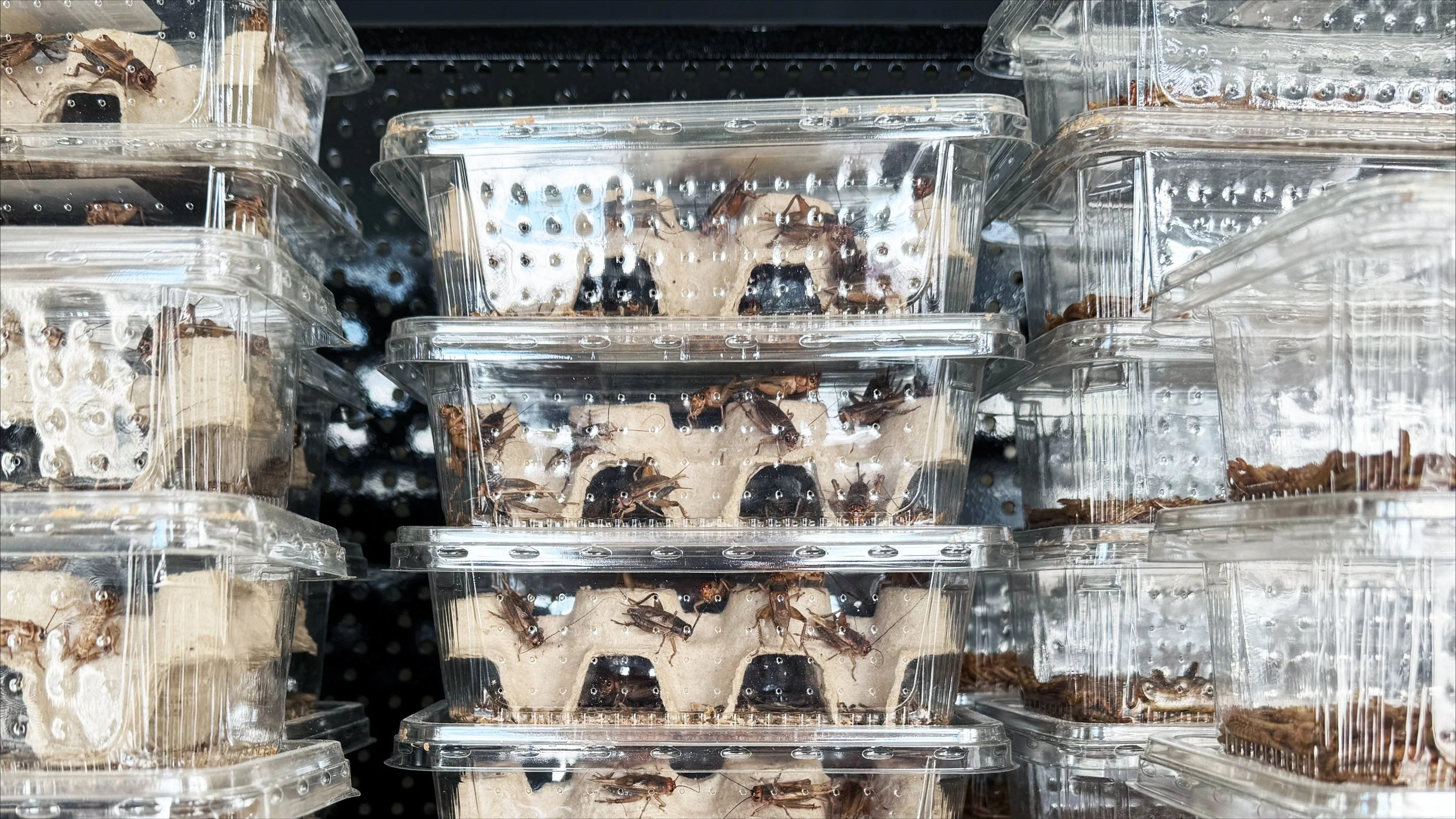
A leopard gecko or bearded dragon may require live insects such as locusts, crickets, cockroaches or worms. Those insects must themselves be kept appropriately and may require food before being offered to the reptile.
A snake may eat frozen-thawed rodents. Larger snakes need larger prey, and the cost rises as the animal grows.
A crested gecko may eat a prepared complete diet alongside suitable insects. Many tortoises require a varied supply of appropriate leafy plants and weeds rather than ordinary salad leftovers.
You may also need supplements, feeding equipment and safe storage for live or frozen food.
The monthly total might appear relatively small for one animal, but it should not be dismissed. Delivery charges, wasted live food and changing dietary needs can all increase the real figure.
Before choosing a reptile, price the food it will need as an adult—not only what a small juvenile currently eats.
Substrate, cleaning and everyday supplies
Substrate needs replacing or refreshing. Cleaning products run out. Live plants die. Décor becomes damaged and feeding equipment occasionally needs replacing.
Depending on the species and setup, recurring supplies may include:
substrate
disinfectant suitable for reptile enclosures
paper towels or cleaning materials
supplements
replacement plants
insect food
water treatments
shedding or humidity supplies
waste-disposal materials
No single item may seem particularly expensive. Together, however, they form part of the ongoing cost of ownership.
Exotic veterinary care
Veterinary costs are one of the most important—and most frequently overlooked—parts of reptile ownership.
Not every local veterinary practice treats reptiles. You may need to travel to a vet with appropriate exotic-animal experience, adding fuel and time to the appointment cost.
The initial consultation may only be the beginning. Depending on the problem, a reptile might need:
diagnostic tests
X-rays or scans
blood tests
medication
injections
parasite treatment
surgery
repeat appointments
hospitalisation or supportive care
A seemingly healthy reptile can become ill, and exotic veterinary treatment can quickly cost several hundred pounds.
Insurance options for reptiles are more limited than they are for cats and dogs, and policies vary. Some families choose insurance; others keep a dedicated emergency fund.
Whichever method you use, “we will find the money if something happens” is not quite the same as having a workable plan.
Ask yourself:
Where is our nearest suitable exotic vet?
How would we reach them?
Could we pay an unexpected bill of several hundred pounds?
What would we do if treatment were needed immediately?
Holiday and emergency care
Reptiles cannot simply be left with extra food while the family goes away.
Someone must be able to check the animal, monitor its equipment, provide water and food where necessary, and recognise signs of a problem. That person also needs to be comfortable with the species.
A general pet sitter may not be willing to feed insects, thaw rodents or manage specialist equipment. Professional reptile boarding or knowledgeable pet care will add to the cost of a holiday.
Families should also consider what would happen during:
a power cut
a heating failure
severe weather
a house move
a hospital stay
an unexpected period away from home
These situations may be rare, but the animal will still need appropriate care when they occur.

How costs differ between popular reptiles
Every setup should be researched individually, but there are some broad differences families can expect.
Leopard geckos
Leopard geckos are relatively small, but they still need suitable heating, lighting, monitoring, hides and a properly furnished enclosure. Their ongoing costs include live insects, supplements, substrate and replacement lighting.
Crested geckos
A crested gecko needs a tall enclosure with appropriate cover, climbing opportunities and environmental monitoring. Prepared complete diets are convenient, but food, insects, lighting, substrate and enclosure furnishings remain ongoing expenses.
Corn snakes and royal pythons
Snakes require secure, correctly heated enclosures with controlled heat sources and suitable hides. Food may be comparatively predictable, but adult enclosure size, heating and exotic-vet provision should be included in the budget.
Bearded dragons
Bearded dragons can be among the more expensive commonly kept reptiles to set up and run. They need a substantial enclosure, powerful high-quality UVB lighting, controlled heating, live insects, fresh plant foods and regular replacement equipment.
Tortoises
A small tortoise does not mean a small commitment. Appropriate indoor housing, lighting, heating, outdoor provision and long-term space can make the setup considerably more involved than families expect.
Second-hand equipment can help—but check it carefully
Buying some equipment second-hand can reduce costs, particularly larger enclosures.
However, inspect everything carefully before using it. Check for:
damage or insecure doors
swollen or water-damaged wood
broken vents or locks
exposed wiring
fittings that are no longer safe
items that cannot be cleaned effectively
equipment that is unsuitable for your intended species
Electrical equipment should not be assumed safe simply because it switches on. Used UVB lamps may still glow while producing too little useful UVB, and thermostats or heat fittings of uncertain age may be a false economy.
It may be sensible to buy a sound enclosure second-hand while purchasing essential electrical and monitoring equipment new.
Create a realistic reptile budget
Before buying anything, divide your budget into four parts.
Initial setup
Include the full adult-appropriate enclosure wherever possible, heating, lighting, thermostat, monitoring equipment, furnishings, substrate and secure fittings.
Regular monthly costs
Include food, supplements, substrate, electricity and routine supplies.
Replacement costs
Allow for new lamps, failed equipment and future enclosure changes.
Emergency costs
Choose a realistic amount that can remain available for exotic-veterinary treatment and urgent equipment replacement.
Do not base the decision on your best financial month. Consider whether the animal will still be affordable during winter, after an unexpected household bill or when several things need replacing at once.
Responsible ownership is not about buying the most expensive setup
Spending more does not automatically create better welfare.
An expensive enclosure can still be unsuitable. Decorative equipment can look impressive while failing to provide the correct temperature, lighting, security or shelter.
Responsible spending means putting the animal’s actual needs first:
the correct environment
safe, controlled equipment
reliable monitoring
appropriate food
access to veterinary care
enough money to maintain those things for its lifetime
It also means recognising when waiting is the better choice.
Taking a few extra months to save for the correct setup is not disappointing the animal. Bringing it home before its needs can be met might.
Look beyond the price tag
A reptile can be a fascinating and rewarding addition to family life. But it is not a low-cost ornament, and “easy to care for” should never be interpreted as free or effortless.
Before saying yes, calculate the cost of the complete setup, ordinary monthly care, replacement equipment, holiday arrangements and a realistic veterinary emergency.
If the numbers work comfortably, you can continue researching with confidence.
If they do not, you have discovered something valuable before an animal depends on you.
Still deciding whether a reptile fits your family?
Read Is Your Family Ready for a Pet Reptile? 10 Questions to Ask First and What Is the Best Pet Reptile for a Child? An Honest Guide for Families.
Our Should We Get A…? Guides take families through the everyday realities of particular species, including cost, feeding, handling, space and long-term responsibility.
Guides are currently available for:
Royal pythons
Leopard geckos
Crested geckos
The aim is not to talk your family into—or out of—owning a reptile. It is to help you make a decision you can still feel good about once the excitement of choosing one has passed.