What Is the Best Pet Reptile for a Child? An Honest Guide for Families
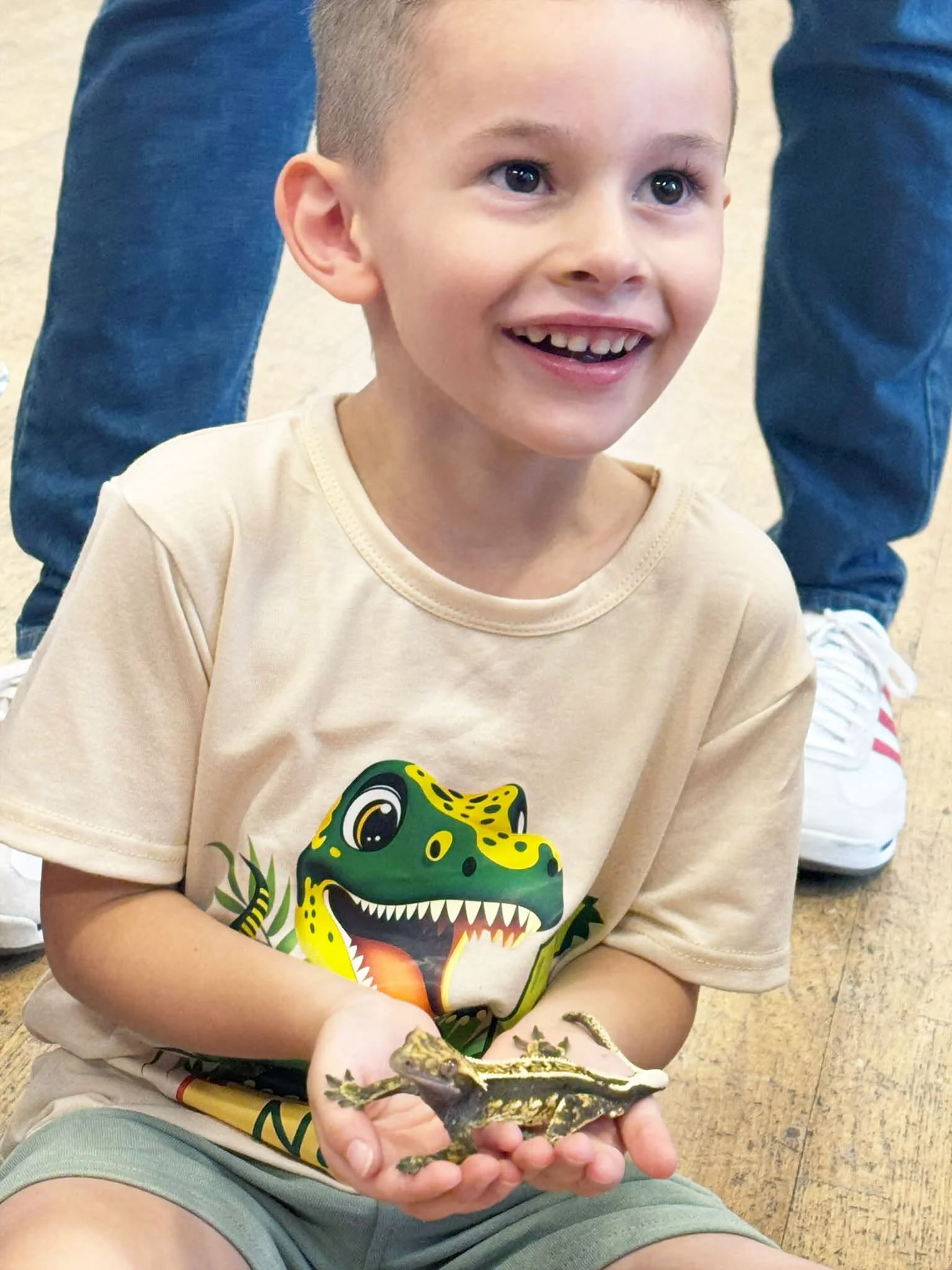
If your child has asked for a reptile, one of your first questions may be: which species would make the best pet?
You might have heard that leopard geckos are easy, bearded dragons are friendly or royal pythons are perfect for beginners. But choosing a reptile is rarely as simple as finding the species with the best reputation.
The best reptile for your child is one whose everyday needs, behaviour and lifetime commitment suit your whole family—not simply the animal your child finds most exciting today.
Here is an honest look at some of the reptiles families most commonly consider.
Before choosing a species, think about the experience your child wants
When a child says they want a reptile, it helps to find out what they are actually imagining.
Do they want an animal they can occasionally handle? One they can watch exploring its enclosure? A snake they can learn about? Or something that will sit beside them while they interact with it?
A child fascinated by watching natural behaviour may be delighted by an animal that is rarely handled. Another child may quickly lose interest if their new pet spends much of the day hiding.
Neither preference is wrong—but they may lead you towards very different animals.
It is also worth remembering that reptiles do not experience handling in the same way as a dog might enjoy playing or physical affection. Some learn to tolerate calm, respectful interaction well. Others are better appreciated by watching them behave naturally.
The best reptile is not necessarily the easiest one. It is the one whose ordinary reality fits your family.
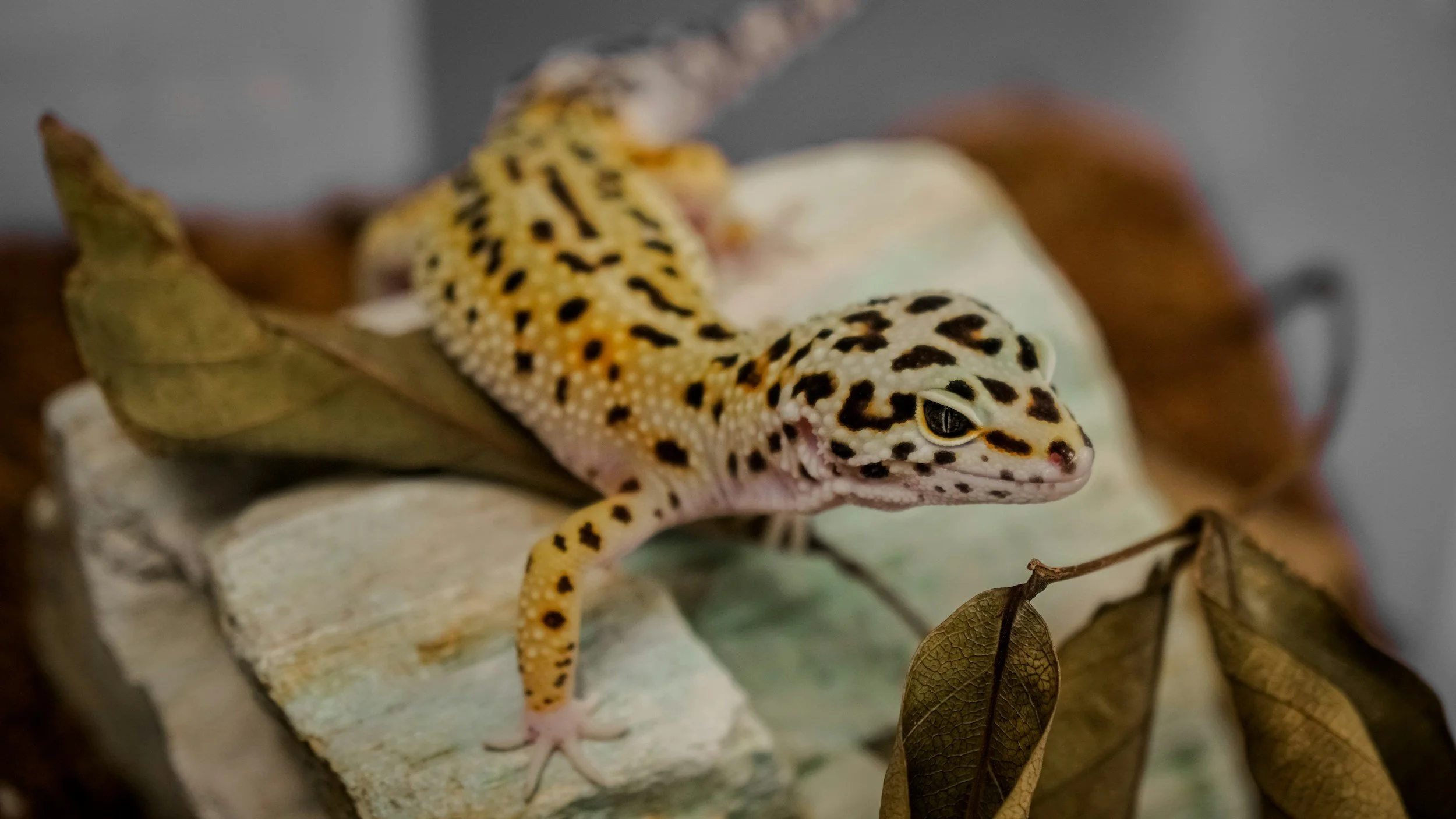
Leopard gecko
Leopard geckos are often recommended as first reptiles, and they can be a good match for some families.
They are relatively small, live on the ground rather than climbing high and can often become comfortable with gentle, careful handling. Their expressive faces and individual personalities also make them easy for children to connect with.
However, they are not miniature cuddly pets. They can be delicate, particularly around their tails, and interaction must happen on the animal’s terms.
Leopard geckos also eat live insects. Parents need to be comfortable buying, storing and feeding them regularly. Because leopard geckos are most active around dusk and during the night, they may also be hiding when a child wants to see them during the day.
A leopard gecko may suit your family if:
your child can interact gently and patiently
you are comfortable keeping and feeding live insects
you enjoy observing an animal as much as handling it
an adult is prepared to oversee its care consistently
Think carefully if:
your child expects frequent or energetic handling
live insects are likely to become a problem
your child would be disappointed by an animal that often hides
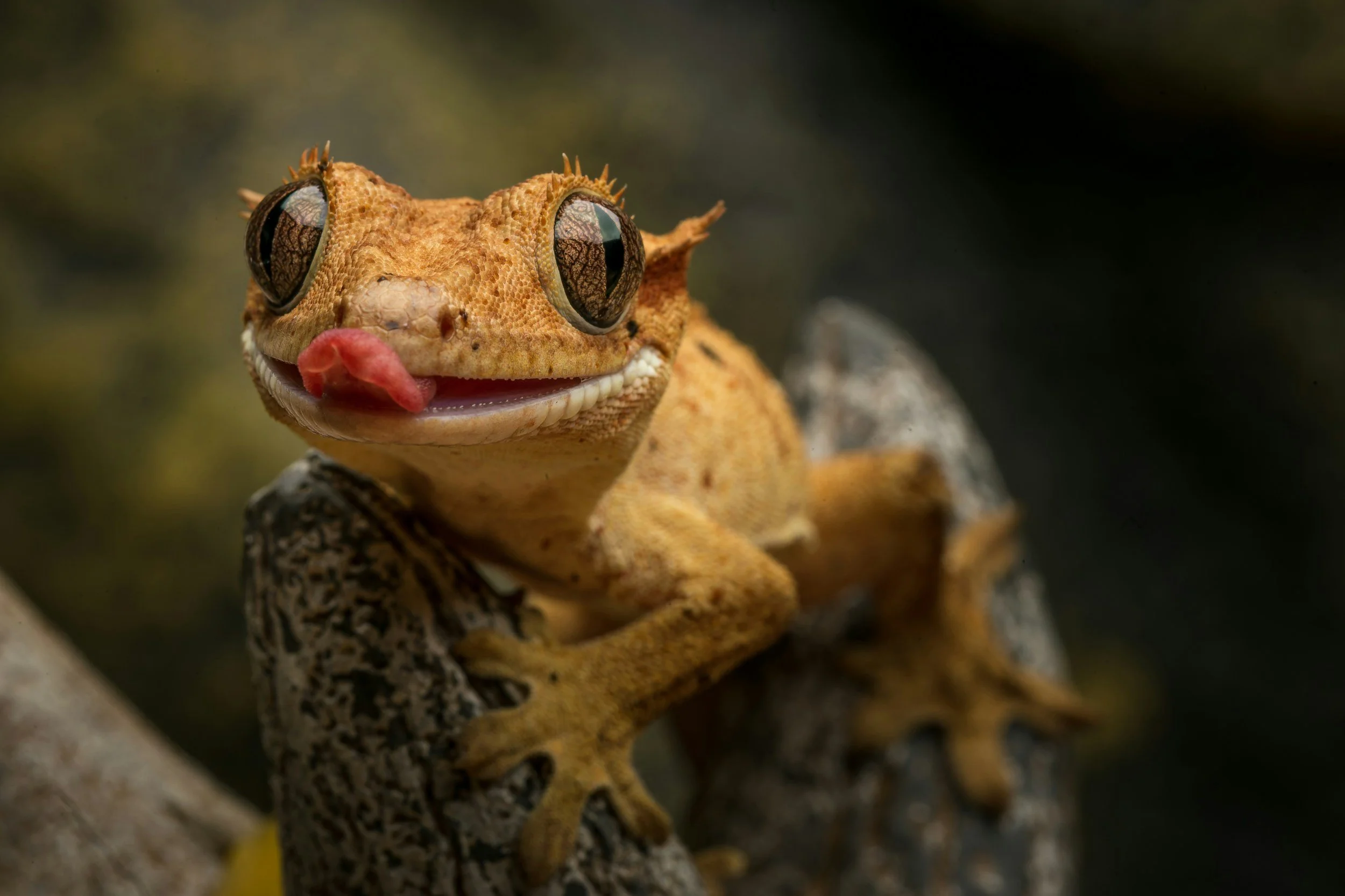
Crested gecko
Crested geckos are charming, curious-looking animals that live in tall, planted enclosures. They can be fascinating to watch climbing, jumping and exploring after dark.
Their prepared fruit-based diet can feel more manageable to some families than feeding rodents, although insects may still form part of their diet.
Crested geckos are often quicker and more inclined to jump than leopard geckos. Handling therefore requires calm reactions and a safe environment. A startled child grabbing at a leaping gecko could accidentally injure it.
They can also drop their tails when frightened or stressed. Unlike a leopard gecko’s tail, it will not grow back. This does not prevent the gecko from living normally, but families should understand the possibility before bringing one home.
A crested gecko may suit your family if:
your child enjoys watching climbing and natural behaviour
you have space for a suitably tall enclosure
your child can remain calm if the gecko suddenly jumps
the family is happy with an animal that is more active after dark
Think carefully if:
your child wants a slow, predictable animal to hold
sudden movement is likely to cause panic
your child expects the gecko to be visible throughout the day
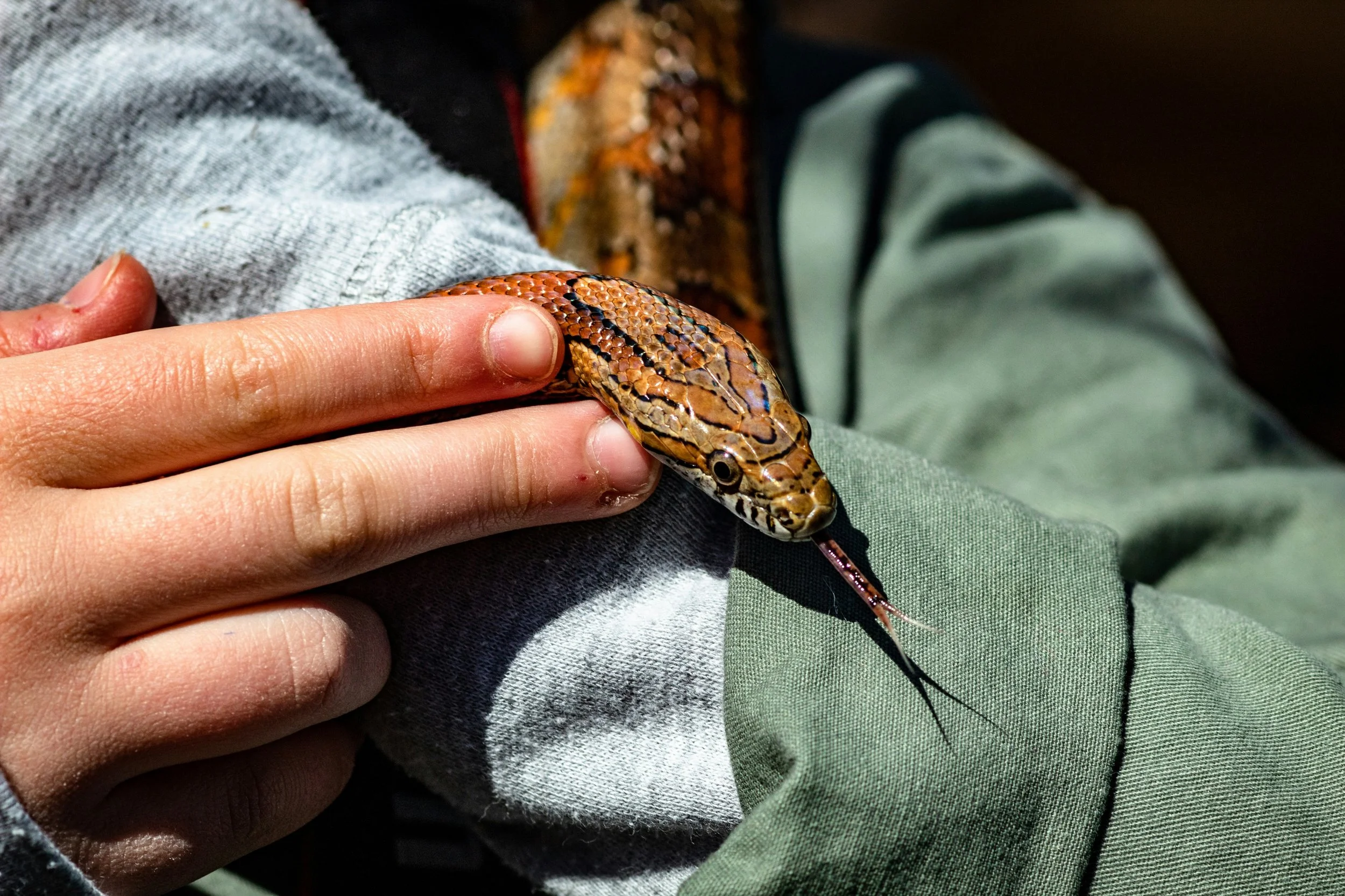
Corn snake
Corn snakes are active, inquisitive snakes that are often considered approachable first snakes. They usually remain a manageable size and can become accustomed to careful handling.
For a child who is genuinely fascinated by snakes, a corn snake can provide years of opportunities to observe movement, shedding, feeding and other natural behaviours.
They are also extremely good at finding gaps. Their enclosure must be secure, and family members need to understand that doors, vents and locks cannot be left unchecked.
Like other commonly kept pet snakes, corn snakes eat whole rodents—normally purchased frozen and thawed safely before feeding. Everyone involved should be honest about whether they can manage that in practice.
A corn snake may suit your family if:
your child particularly wants a snake
the adults are comfortable feeding frozen-thawed rodents
you want a relatively active snake to observe
everyone can follow strict rules about securing the enclosure
Think carefully if:
anyone in the household is deeply uncomfortable with rodent feeding
your child expects a snake to remain still while being held
enclosure security may be difficult to manage consistently
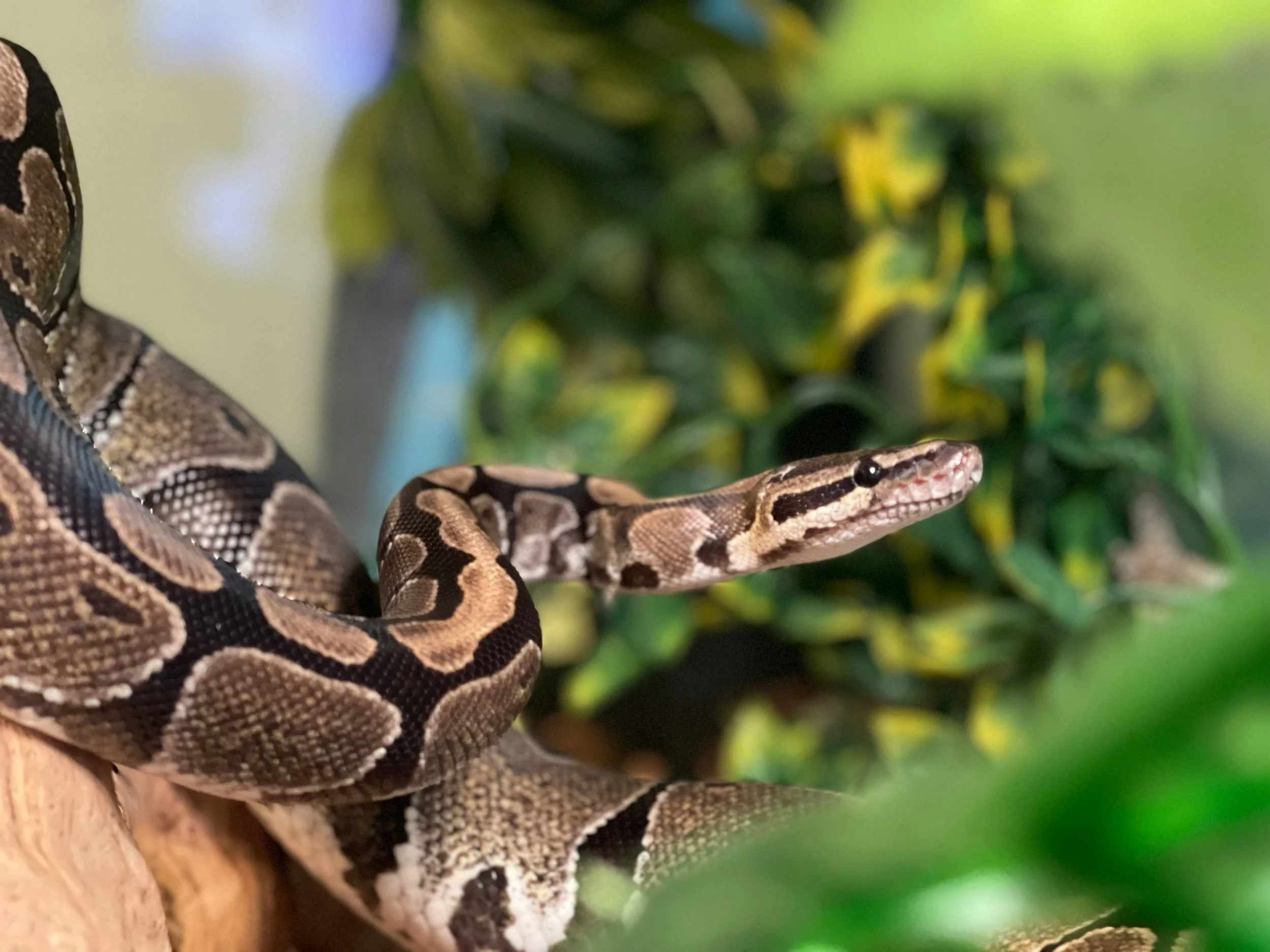
Royal python
Royal pythons are often described as calm and easy to handle. Many are slow-moving, substantial snakes that can feel less unpredictable than a quicker species.
That calm reputation can make them appealing to families, but it does not tell the whole story.
Royal pythons have particular environmental requirements and can sometimes stop eating, which may be stressful for an inexperienced owner. They also live for a very long time. The small snake chosen for a child could still be part of the family when that child is well into adulthood.
They eat frozen-thawed rodents and require adults who are prepared to monitor their environment and respond appropriately if feeding or health concerns arise.
A royal python may suit your family if:
your child prefers a slower, heavier-bodied snake
adults are comfortable feeding rodents
the family is prepared for a commitment lasting decades
you are willing to learn about and monitor its environmental needs
Think carefully if:
skipped meals would cause significant anxiety
your child may expect frequent activity
the family has not considered what happens when the child eventually leaves home
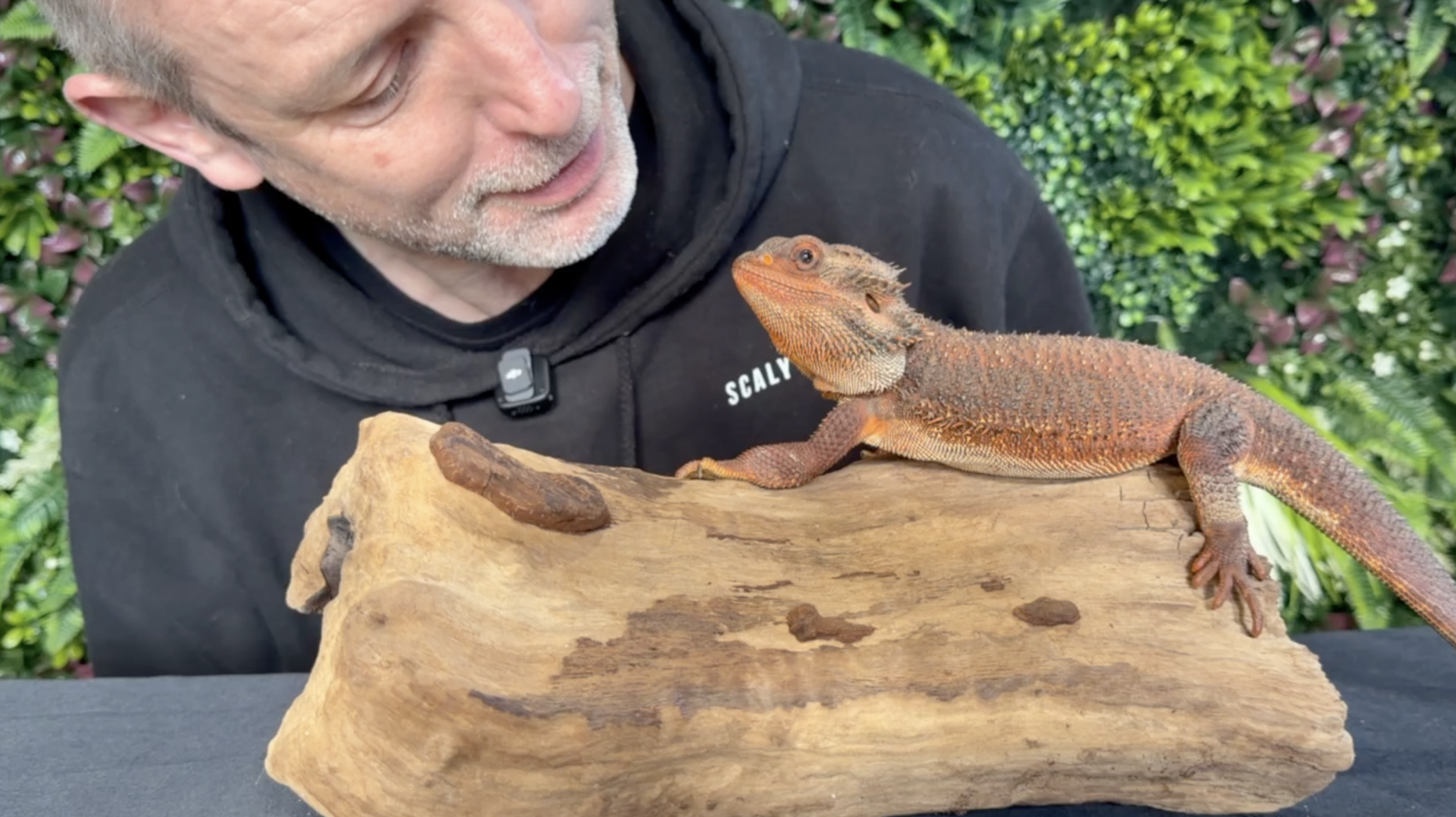
Bearded dragon
Bearded dragons are alert, visible and often engaging animals. Compared with many reptiles, they may spend more time out in the open during the day, which can make it easier for children to observe and connect with them.
This does not make them a low-effort pet.
They need a large, carefully equipped enclosure with appropriate heating and high-quality UVB lighting. Their diet requires both live insects and fresh plant foods, and their equipment and electricity use can make them more expensive to keep than families initially expect.
Their approachable appearance can also lead to too much handling. Even a tolerant bearded dragon needs rest, choice and opportunities to behave naturally without being constantly picked up.
A bearded dragon may suit your family if:
your child wants a visible, daytime-active reptile
you have room for a substantial enclosure
adults can manage live insects, fresh food and specialist lighting
the family can afford the setup and ongoing running costs
Think carefully if:
you are looking for a particularly cheap or simple pet
space is limited
your child may treat tolerance as permission for constant handling
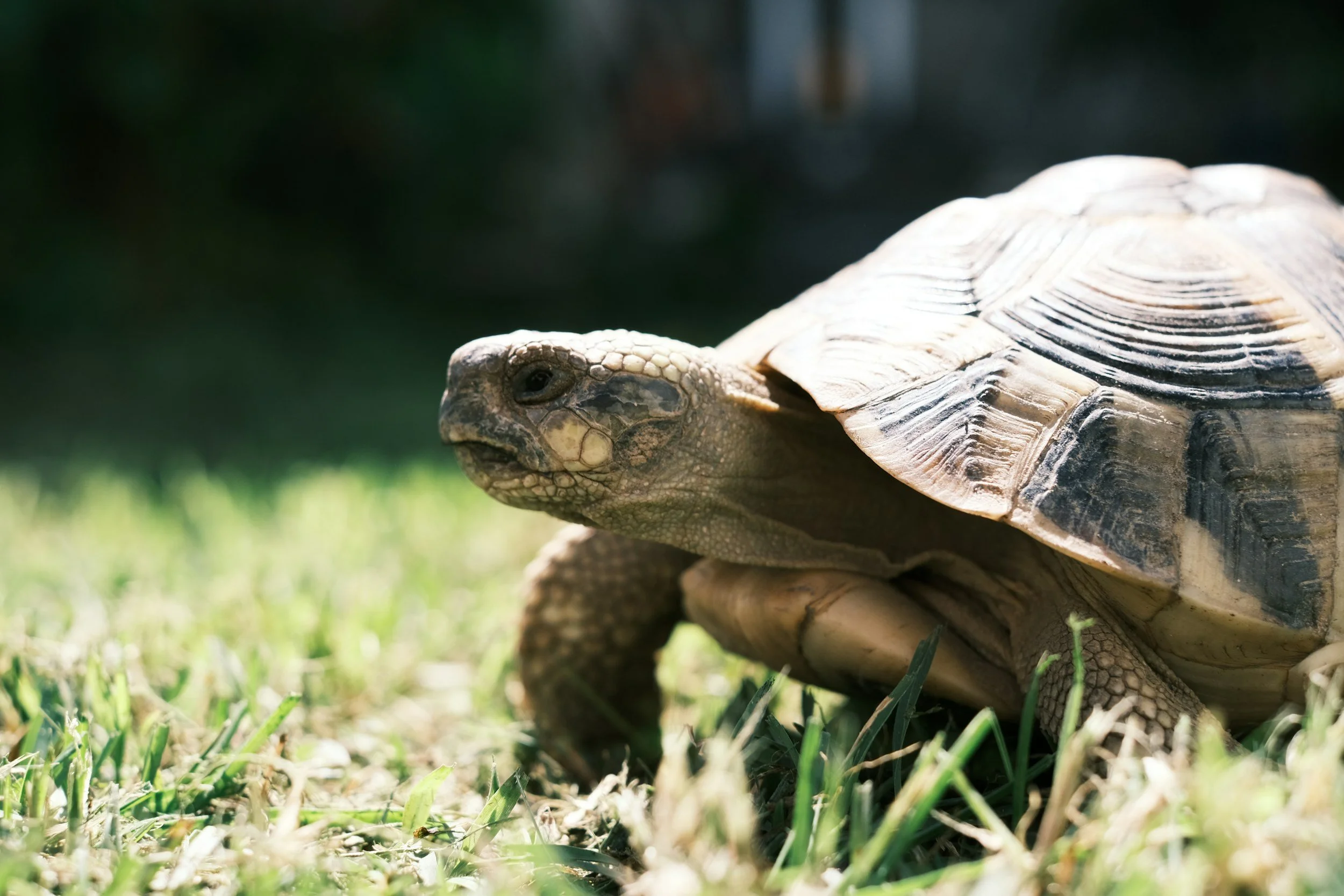
Tortoise
Tortoises are sometimes chosen because they appear gentle, familiar and straightforward. In reality, they are among the biggest commitments on this list.
Depending on the species, a tortoise may live for many decades and eventually pass from one generation of the family to another. It also needs far more than a small tank and a bowl of lettuce.
Suitable lighting, heating, diet, floor space and—in many cases—safe access to appropriate outdoor space all need careful consideration. Their needs also change with growth, season and species.
A tortoise can be a fascinating family animal, but it should never be treated as the automatic easy option for a young child.
A tortoise may suit your family if:
you enjoy observing natural behaviour rather than expecting cuddles
you can provide significant long-term space
the adults are prepared for a potentially lifelong commitment
you are willing to research the needs of the particular species
Think carefully if:
you expect it to remain in a small enclosure
your housing situation may change significantly
nobody has considered who will care for it in several decades
Which reptile is best for handling?
There is no reptile that can be guaranteed to enjoy or accept handling.
Individual temperament matters. So do age, health, previous experiences and the way the animal is approached. Even a normally calm reptile may need to be left alone while shedding, digesting a meal, adjusting to a new home or feeling unwell.
If handling matters to your family, look for a species and individual that generally copes well with calm interaction—but also teach your child that putting the animal back is part of responsible handling.
Success should not mean holding the reptile for as long as possible. It should mean noticing its behaviour and responding appropriately.
Which reptile is easiest for a beginner?
“Beginner reptile” can be a misleading label.
A leopard gecko may feel straightforward to someone comfortable with insects, but completely unsuitable to somebody who cannot bear having crickets in the house. A royal python’s feeding may feel routine to one parent and impossible to another. A bearded dragon may be wonderfully engaging but demand more space, equipment and daily preparation.
Instead of asking which reptile is easiest in general, ask:
Which feeding routine can we manage?
How much space can we provide?
When will the animal be active?
How much will the setup and ongoing care cost?
Who will perform each job?
What happens if our child loses interest?
Can we provide this care for the animal’s entire life?
Those answers will tell you far more than a generic beginner list.
The adult must be willing to become the real owner
Children can absolutely take part in reptile care. Feeding, water changes, observation and record-keeping can help them develop confidence and responsibility.
But a child should not carry ultimate responsibility for an animal’s welfare.
Interests change. School becomes demanding. Teenagers spend more time away from home. Some children find feeding or cleaning more difficult than expected.
Before saying yes, the adult should be able to say:
“If my child loses interest completely, I am willing and able to care for this animal properly for the rest of its life.”
If the honest answer is no, this may not be the right time.
There is no need to rush the decision
Researching a reptile is not simply a hurdle to get through before buying one. It is part of discovering whether living with that animal will genuinely work.
Visit reputable reptile shops. Meet adult animals, not only appealing babies. Ask to see appropriate enclosures and find out what the animal eats. Talk openly about the less exciting parts: electricity costs, insects, rodents, cleaning, holidays and veterinary care.
Your child may remain completely certain. They may discover that another species suits them better. They may decide they would rather enjoy reptiles without owning one yet.
All three outcomes are useful.
A thoughtful “not yet” is far kinder than an enthusiastic yes that the family later regrets.
Still considering a reptile?
Start with our article Is Your Family Ready for a Pet Reptile? 10 Questions to Ask First.
If your family is considering a particular species, our Should We Get A…? Guides help parents and children explore the everyday realities together—including handling expectations, feeding, cost, space and long-term responsibility.
Guides are currently available for:
Royal pythons
Leopard geckos
Crested geckos
Take your time, ask honest questions and choose the animal whose real life—not just its photograph—fits your family.