Is Your Family Ready for a Pet Reptile? 10 Questions to Ask First
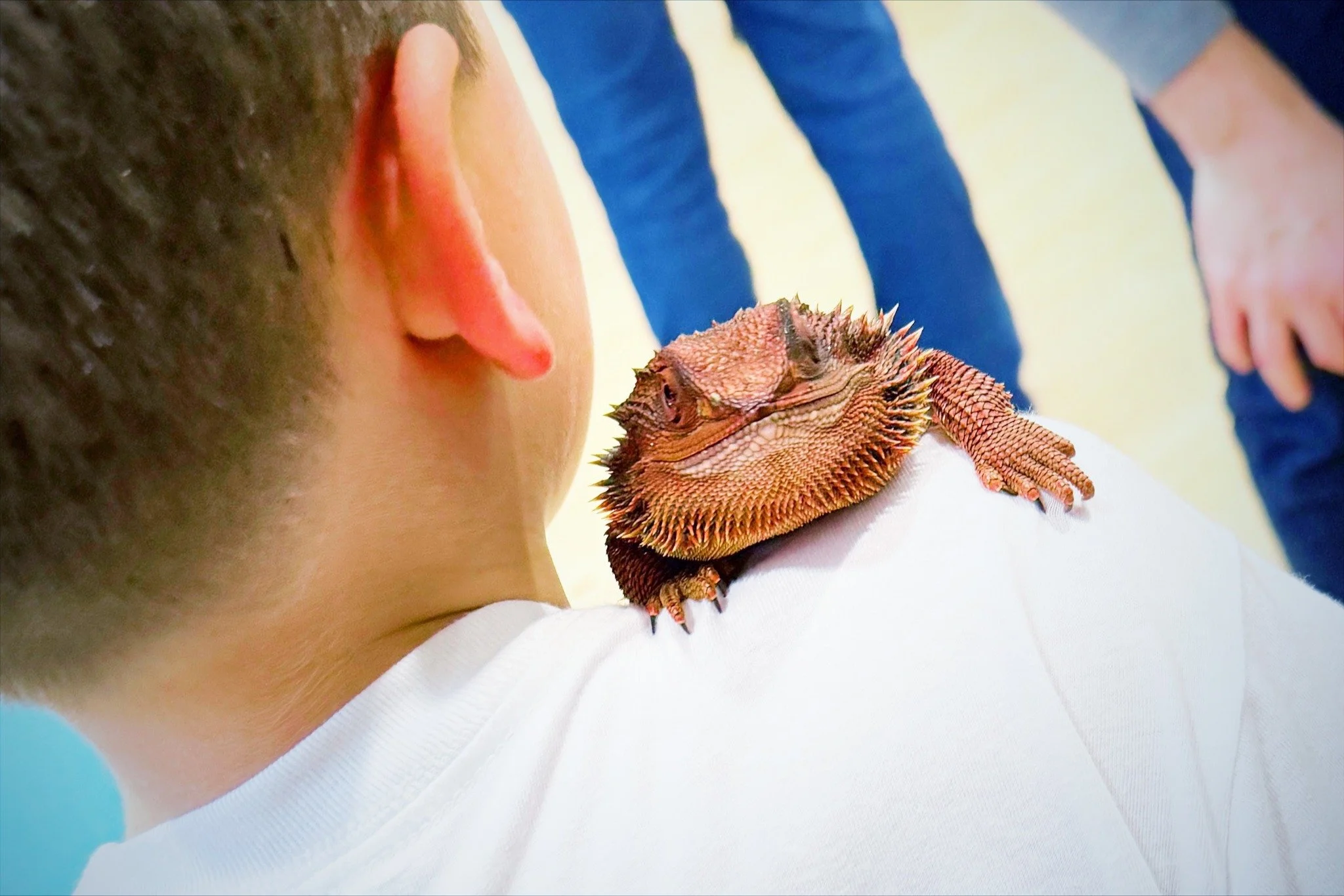
Reptiles can make extraordinary family pets. They’re quiet, endlessly interesting and very different from the animals most of us grow up knowing.
For some children, that difference is precisely the appeal.
But bringing home a reptile isn’t simply a matter of choosing the species your child likes best, buying a starter setup and hoping everybody adapts. Reptiles have highly specific needs, and many can live with the consequences of a family’s decision for ten, twenty or even more years.
That doesn’t mean you need to be an expert before getting one. It means giving your family the time and information needed to make a considered decision.
Here are ten questions worth discussing before bringing a reptile home.
1. Who wants the reptile—and why?
There’s a difference between a child who has developed a lasting interest in reptiles and one who saw a particular animal online last week.
Neither is inherently wrong. Children’s interests naturally change. But understanding what sits behind the request can help you judge whether reptile ownership is likely to be a good fit.
Is your child fascinated by the animal itself? Do they enjoy learning about its behaviour and natural environment? Or are they mainly imagining an animal they can hold, show their friends and carry around?
Reptiles rarely behave like conventional companion animals. They may not seek attention, enjoy frequent handling or provide affection in the way a child expects. A family whose expectations match the reality is far more likely to enjoy ownership.
2. Who will ultimately be responsible?
Children can participate meaningfully in reptile care, but the adult must accept ultimate responsibility for the animal’s welfare.
That includes:
Checking temperatures and equipment
Buying and storing food
Cleaning the enclosure
Monitoring behaviour and health
Arranging specialist veterinary treatment
Providing care when the child is busy, unwell or no longer interested
This isn’t about underestimating your child. It’s about recognising that the reptile cannot be left without appropriate care if homework, friendships or interests change.
A useful question is:
Would the adults still be willing to care for this animal if the child stopped participating completely?
If the answer is no, it may not be the right time.
3. What will happen if your child loses interest?
This is one of the most uncomfortable questions—and one of the most important.
A reptile may remain part of your family long after the initial excitement has faded. Some species commonly live well into a child’s adulthood.
Try looking beyond the first few months:
Who will provide care during exam periods?
What happens when your child goes to university?
Will the animal still be welcome if the family moves?
Is an adult genuinely prepared to take over?
Losing interest doesn’t make a child careless or unkind. It makes them human. Responsible planning means accepting that possibility before an animal becomes dependent on the family.
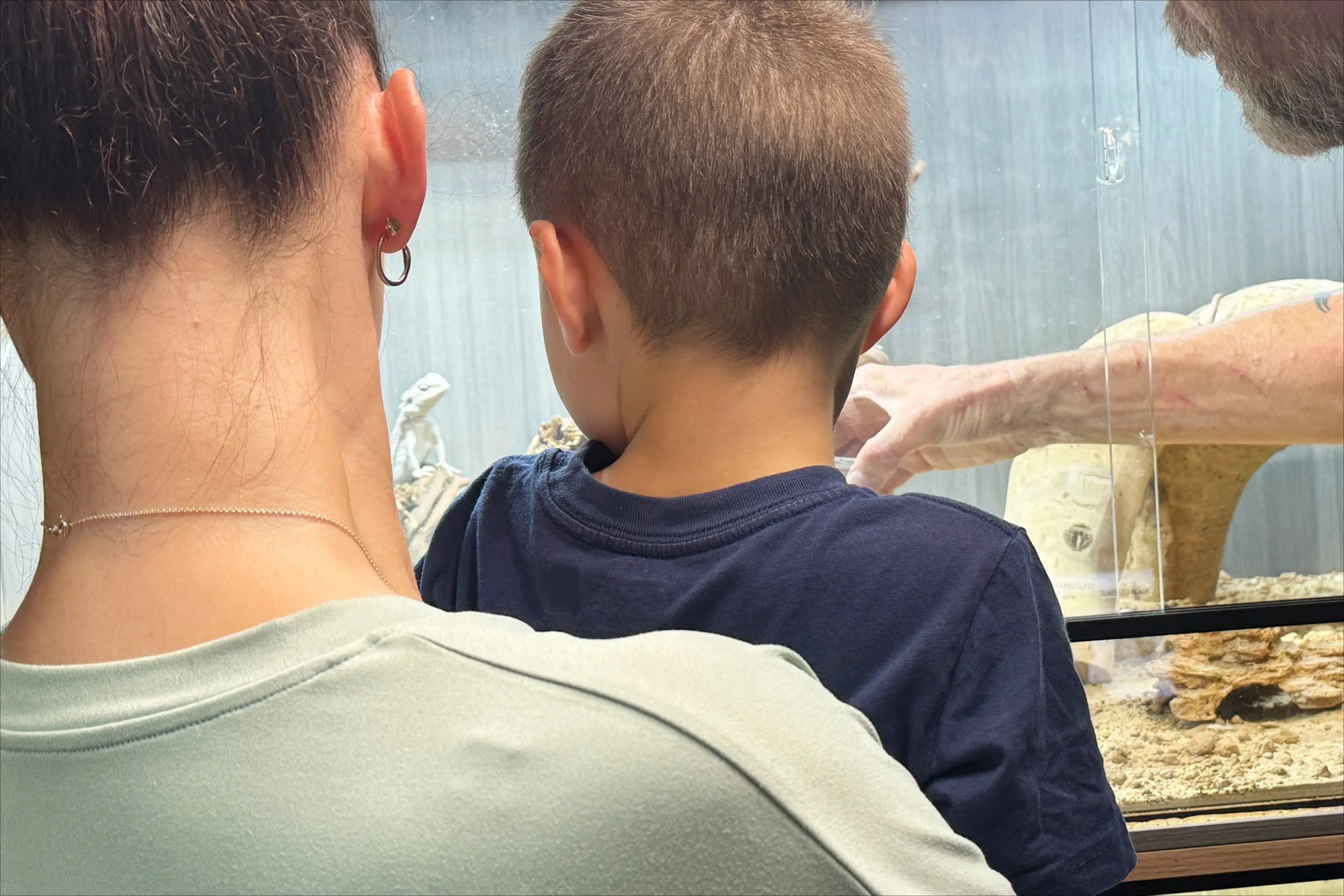
4. Is everybody comfortable with feeding?
Different reptiles eat very different diets. Depending on the species, that might include live insects, prepared diets, fresh vegetation or frozen-thawed rodents.
The reality of feeding can feel very different from reading about it.
Before choosing an animal, establish:
What it needs to eat
How frequently it needs feeding
Where the food will be purchased
Where it will be stored
Who will handle feeding
Whether everyone in the household is genuinely comfortable with it
A child who desperately wants a snake may still struggle with the idea of feeding rodents. A parent may discover that keeping live insects in the house is a firm boundary.
Those feelings are valid—but they’re much easier to confront before bringing the animal home.
5. Do you understand the commitment?
Reptiles are sometimes described as “easy” or “low-maintenance” pets. This can be misleading.
They may not need daily walks or constant interaction, but they depend on carefully controlled environments. Heating, lighting, humidity, feeding and enclosure maintenance all matter.
They can also live for a surprisingly long time.
Consider where your family might be in five, ten or twenty years. Nobody can predict everything, but the animal needs to remain part of the plan through ordinary changes in work, school, housing and family life.
6. Can you afford the complete setup?
The animal itself may be one of the least expensive parts of reptile ownership.
A suitable setup can include:
An appropriately sized enclosure
Safe, thermostatically controlled heating
Species-appropriate UVB lighting
Thermometers and other monitoring equipment
Substrate, hides and enrichment
Food and supplements
Replacement bulbs and equipment
Electricity
Specialist veterinary treatment
Be cautious of unusually cheap starter packages. A setup being sold alongside an animal doesn’t automatically mean it will meet that animal’s long-term needs.
Ask for a complete list of what the reptile requires—not simply what is needed to get it through the first few weeks.
7. Can you access an experienced reptile vet?
Not every veterinary practice treats reptiles, and specialist care may involve travelling further than you would for a dog or cat.
Before getting an animal, find out:
Where your nearest suitable practice is
Whether it accepts reptiles routinely
How you would transport the animal safely
What emergency provision is available
How you would cover an unexpected bill
Reptiles can hide signs of illness until a problem is advanced. Knowing where to go before something is wrong can make an enormous difference.
8. How much interaction are you expecting?
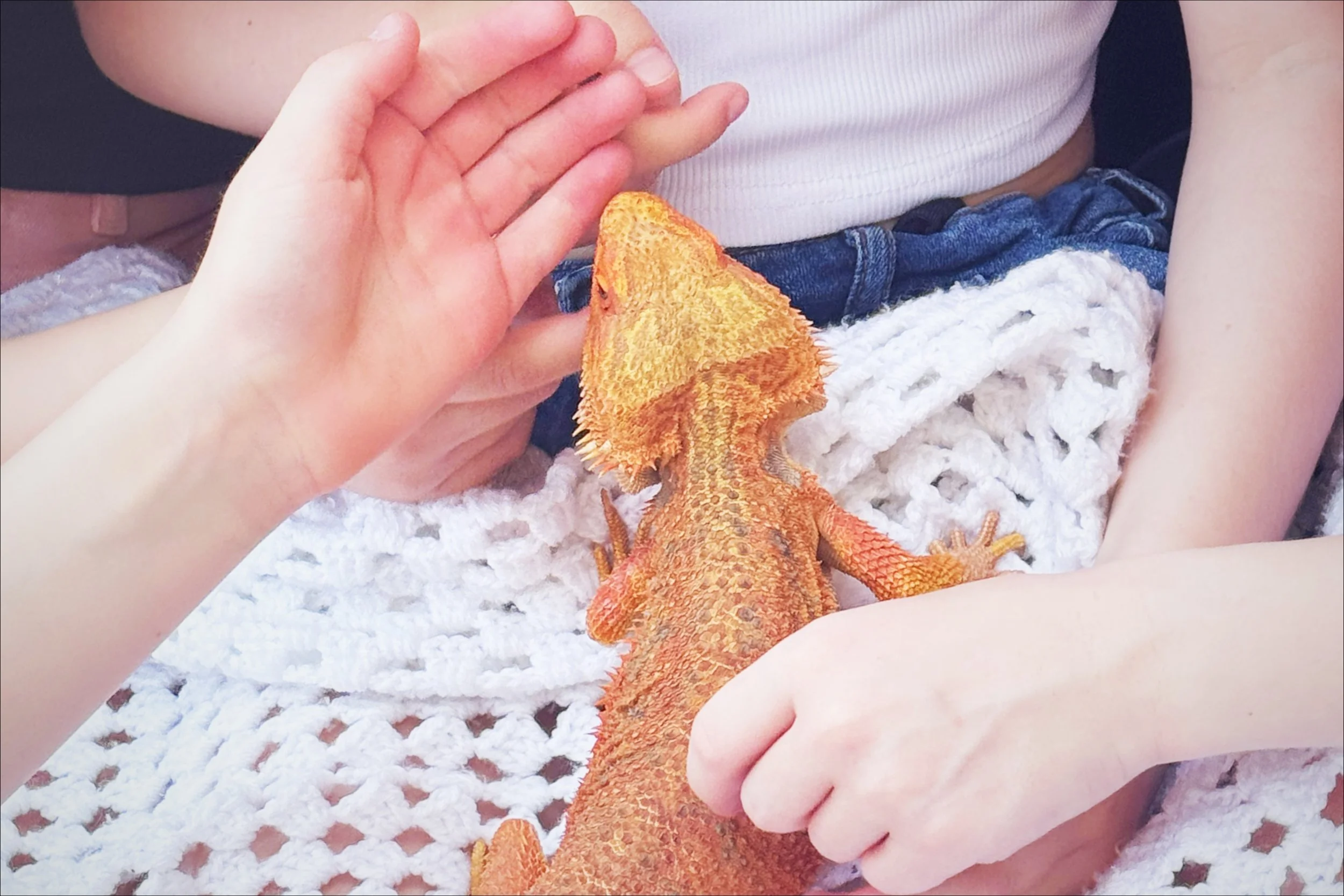
Many families hope for a reptile their child can regularly handle. That can be possible—but handling should never be treated as something the animal owes us.
Individual temperament matters. Even a species commonly described as “good for handling” may have days when it needs rest, feels vulnerable or simply chooses not to participate.
A healthy family relationship with a reptile might include:
Watching it explore
Learning to recognise its behaviour
Creating enrichment
Taking part in feeding and care
Enjoying calm, occasional handling when appropriate
Respecting its signals and boundaries
Bonding with a reptile often looks quieter than bonding with a mammal. That doesn’t make it less meaningful.
9. How will reptile care fit into everyday family life?
Think beyond the enclosure itself.
What happens when you go on holiday? Who will replace a failed bulb while you’re away? Will a trusted person be comfortable feeding the animal? Is your landlord happy for you to keep reptiles? Do you have somewhere safe for food and equipment?
It’s also worth discussing household realities such as:
Other pets
Young children
Limited space
Sensory sensitivities
Fear of insects or rodents
Unpredictable routines
Regular travel
Future house moves
The right reptile should fit the family’s real life—not an imaginary version in which nobody gets tired, busy or overwhelmed.
10. Are you choosing the right animal—or simply the one your child currently wants?
The reptile your child loves most may not be the one best suited to your family.
That doesn’t mean dismissing their preference. It means exploring what they love about that animal.
Is it the colour? Its size? The fact that it’s a snake? The hope of handling it? Something they’ve seen online?
Once you understand the appeal, you can compare it with the practical realities. Another species may offer what your child is actually looking for while fitting your family’s space, budget and expectations more comfortably.
A responsible decision isn’t always an immediate yes or no. Sometimes the answer is:
Yes, this animal could suit us.
Yes—but a different species would be more appropriate.
Not yet—we need to make some changes first.
No—this particular animal wouldn’t have the life it deserves with us.
Every one of those can be a positive outcome.
A good decision doesn’t need to be rushed
Taking time to think doesn’t make you less enthusiastic. It shows that you understand what reptile ownership means.
Visit reputable pet shops and rescues. Meet adult animals, not only babies. Ask what ownership looks like after the excitement of the first few weeks. Research the complete setup, ongoing costs and likely lifespan.
Most importantly, discuss the decision as a family.
The goal isn’t simply to choose a reptile your child will love. It’s to choose an animal your whole family can care for responsibly—for as long as it needs you.
Considering a particular reptile?
Our Should We Get A…? family guides help you explore the decision together at home.
They’re not tests with a predetermined “correct” answer. They help you think honestly about your family’s circumstances, understand the everyday reality of keeping a particular species and identify anything that may need further consideration.