
What makes one animal experience calmer than another?
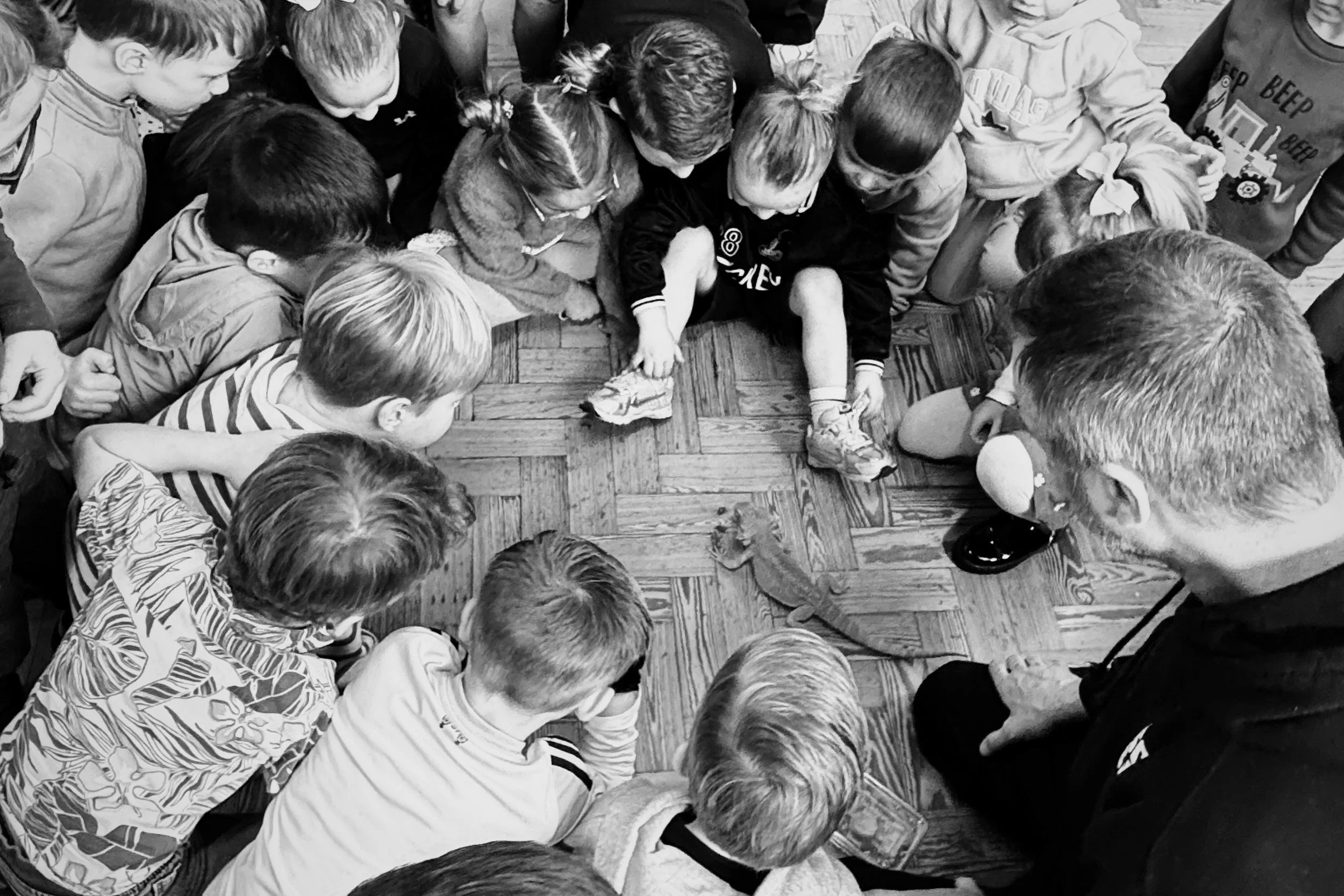
Not all animal experiences feel the same — even when the animals are similar.
Some feel busy, loud, or high-energy.
Others feel settled, steady, and unhurried.
The difference usually isn’t the animals themselves.
It’s how the experience is designed.
Calm isn’t accidental
A calm experience doesn’t happen by chance.
It’s the result of decisions made in advance — about pace, structure, boundaries, and what’s prioritised when things don’t go to plan.
At Scaly Safari, calm isn’t a happy by-product.
It’s something we actively build in.
Pace matters more than variety
One of the biggest factors in how an experience feels is speed.
Calmer sessions tend to:
introduce animals gradually
allow time for watching and settling
avoid rushing from one moment to the next
More isn’t always better.
Slowing things down gives people time to regulate, observe, and choose how they’d like to engage.
Choice reduces anxiety
Calm experiences make space for different comfort levels.
That means:
participation is always optional
watching is treated as valid
no one is singled out or pushed forward
When people know they don’t have to do anything, nervous systems relax — and the whole room settles.
Group management sets the tone
How a group is held matters just as much as what’s presented.
Calmer experiences tend to:
set expectations clearly at the start
manage turn-taking thoughtfully
avoid spotlight moments
respond to the group’s energy in real time
This creates a sense of safety — especially for those who are hesitant or easily overwhelmed.
Animals respond to calm too
Animals are highly sensitive to their environment.
When sessions are:
quieter
more predictable
less rushed
Animals tend to remain calmer themselves.
This creates a feedback loop: calm handling → settled animals → calmer people → safer interactions.
Clear boundaries make things feel safer
Counterintuitively, calm experiences often have stronger boundaries, not fewer.
Clear boundaries around:
handling time
group size
how animals are introduced
when sessions pause or adapt
reduce uncertainty — and uncertainty is one of the biggest drivers of anxiety.
Calm doesn’t mean boring
A calm experience isn’t flat or lifeless.
It’s:
focused
attentive
curious
quietly engaging
People often leave feeling more connected — not overstimulated.
In short
What makes one animal experience calmer than another isn’t luck or personality.
It’s:
pace
choice
boundaries
thoughtful facilitation
and respect for both people and animals
When those things are in place, calm tends to follow.
Learn more about our sessions: