
What consent looks like in practice
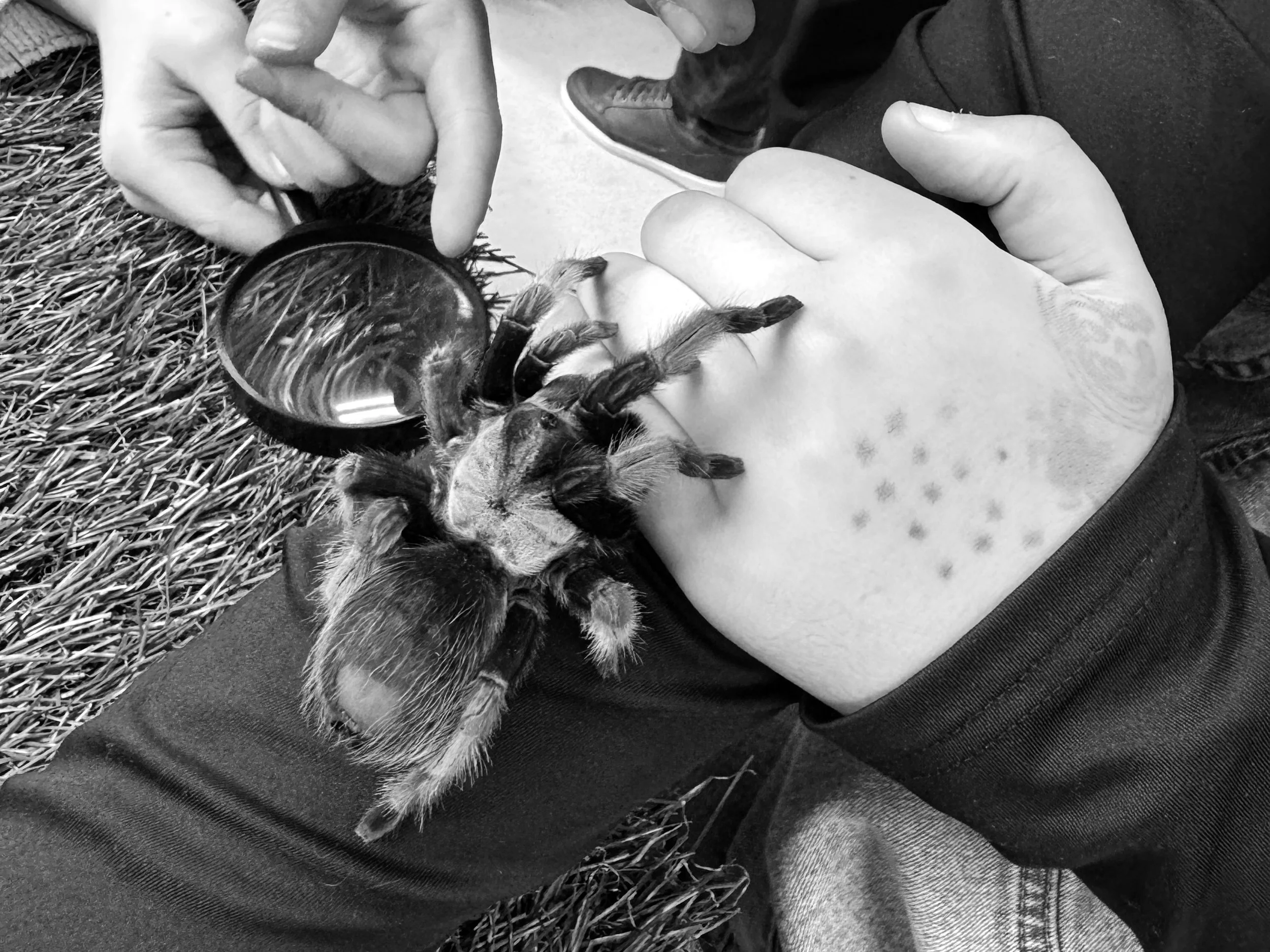
At Scaly Safari, consent isn’t a rule we mention once and move on from.
It’s something we actively design our sessions around — for people and animals.
Consent, in practice, looks calm, ordinary, and unremarkable.
And that’s exactly the point.
Consent is not a single moment
Consent isn’t:
a yes at the start
a raised hand
a one-time decision
It’s ongoing.
Someone might feel comfortable watching but not handling.
They might be happy to engage with one animal but not another.
They might change their mind halfway through.
All of those responses are treated as valid.
What consent looks like for people
In practice, consent means:
No one is ever required to take part
No one is singled out or put on the spot
No one is encouraged to “push through” discomfort
Watching, listening, or stepping back is always okay
We don’t frame participation as bravery, confidence, or success.
We frame it as choice.
How consent is communicated clearly
We’re explicit from the start.
At the beginning of every session, we explain that:
touching animals is optional
watching is taking part
questions matter just as much as handling
saying no is always respected
This sets the tone early, so no one has to work out the rules as they go.
What consent looks like moment to moment
During a session, consent shows up in small, ordinary ways:
Animals are introduced slowly
People are invited, not instructed
Space is maintained for those who want distance
Body language is noticed and responded to
Sessions adapt in real time
There’s no rush to move things along or “get through” a set plan.
Consent applies to animals too
Our animals are not expected to tolerate unlimited handling.
Consent for animals means:
monitoring behaviour closely
limiting handling time
responding to signs of stress
adjusting or stopping when needed
If an animal needs a break, we take one.
No explanations required.
Animal welfare always overrides the schedule.
Why this matters
Consent-led experiences create:
calmer sessions
safer environments
more trust
less anxiety
People relax when they know they’re not being tested or judged.
Animals settle when their needs are respected.
That combination is what makes these sessions work.
When consent is respected, curiosity often follows
Something we see again and again:
When people feel genuinely free to say no, they often become more open — not less.
Sometimes that leads to interaction.
Sometimes it doesn’t.
Both outcomes are equally acceptable.
In short
Consent, in practice, is quiet.
It’s built into how sessions are paced, how choices are offered, and how boundaries are respected — without fuss or pressure.
It’s not something we add on.
It’s how everything works.
Learn more about our sessions: