How Do I Know If My Reptile Is Healthy? (Signs to Look For)
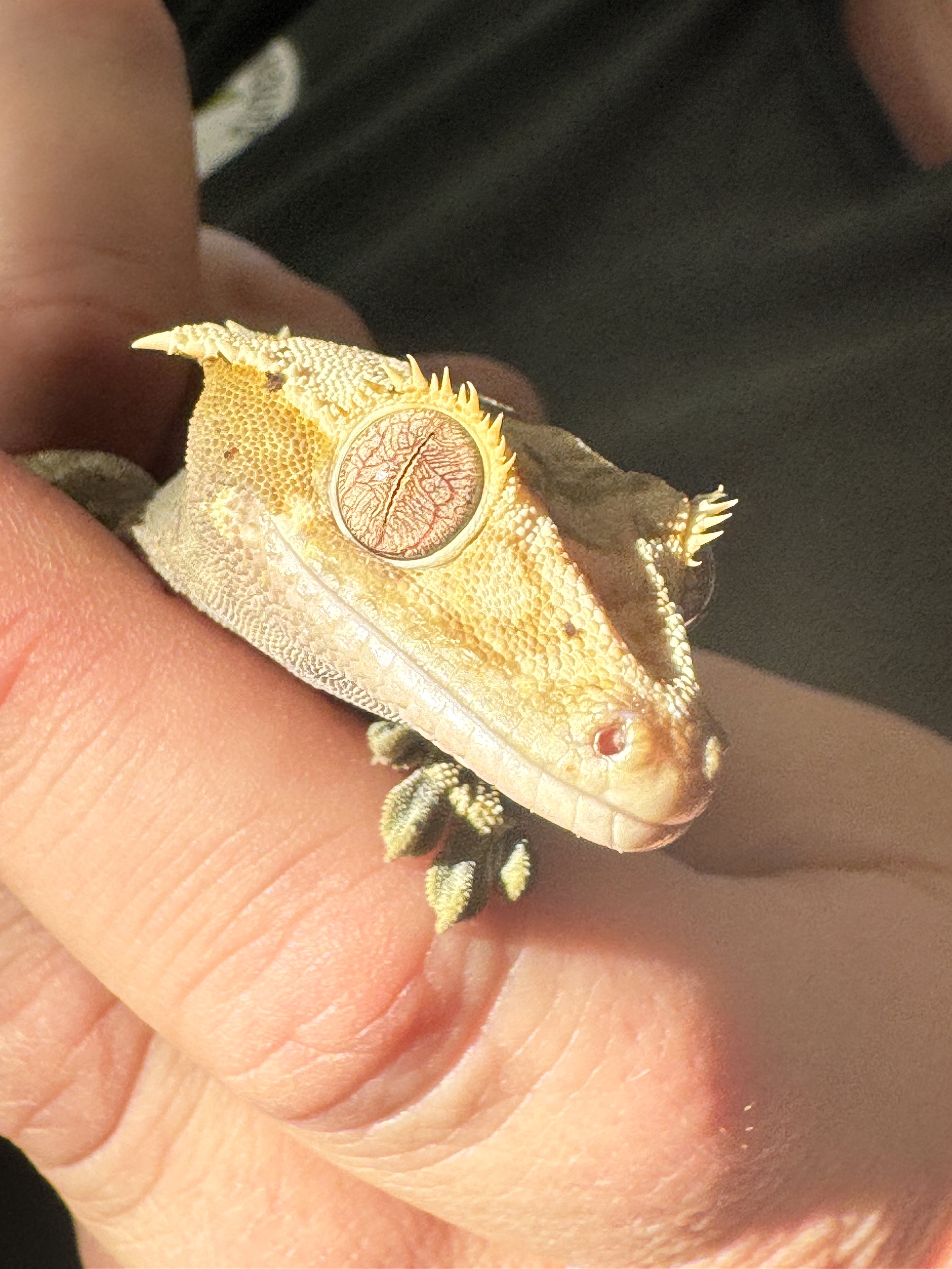
It’s one of the most common questions reptile owners have — and one of the hardest to answer with complete certainty.
How do you actually know if your reptile is healthy?
Unlike dogs or cats, reptiles don’t show obvious signs in the same way. They don’t seek reassurance, and they don’t always make it clear when something is wrong. That can leave you in a constant state of second-guessing, especially if you’re still learning what’s normal.
The good news is that reptile health doesn’t come down to one single sign. It comes down to a pattern of small, consistent indicators that, together, tell you everything you need to know.
What a Healthy Reptile Looks Like
A healthy reptile isn’t defined by perfection. It’s defined by consistency.
Most reptiles that are doing well will show a combination of the following:
Normal Behaviour
Healthy reptiles behave in ways that are predictable for their species.
They may be active or slow-moving, depending on what they are, but their behaviour should feel familiar. A leopard gecko being active at night or a royal python spending long periods resting is completely normal. What matters is whether their behaviour has changed suddenly or significantly.
Clear Eyes and Healthy Skin
Physically, there are a few simple things to look for.
Eyes should be clear and open, without discharge or swelling. Skin or scales should look clean and intact, with no unusual marks, wounds, or signs of infection. Shedding should happen in a way that looks complete and natural, even if it’s not always perfect.
These small details are often the first indicators of overall health.
Regular Eating Patterns
Feeding behaviour is another useful signal.
Most healthy reptiles will eat in a way that is consistent over time. Some species eat daily, others weekly, and some may go off food seasonally. A missed meal on its own is rarely a problem, but a clear change in appetite without explanation is worth paying attention to.
A Stable Environment
Health isn’t just about the animal — it’s about the setup.
A reptile kept in the correct temperature range, with proper lighting and a suitable enclosure, is far more likely to stay healthy. When something isn’t quite right, it’s often linked back to the environment rather than the animal itself.
Signs Your Reptile Might Not Be Okay
It’s just as important to know what to watch for if something changes.
Some common warning signs include:
Sudden changes in behaviour
Refusing food for an unusual length of time
Lethargy outside of normal patterns
Swelling, injuries, or unusual marks
Discharge from eyes, nose, or mouth
None of these automatically mean something serious is wrong, but they are signs that your reptile may need closer attention.
Why It’s So Easy to Second-Guess
Most uncertainty in reptile care doesn’t come from a lack of information. It comes from a lack of context.
You might notice something small and immediately wonder if it’s a problem. But without a clear sense of what your reptile looked like yesterday, last week, or over time, it’s difficult to judge whether anything has actually changed.
That’s where confidence starts to slip.
How to Build Confidence in Your Reptile’s Health
The most reliable way to feel confident isn’t to memorise every possible symptom. It’s to build a simple habit of observation as you carry out your daily reptile care routine.
When you see your reptile regularly, and pay attention to small details over time, patterns become clear. You start to recognise what’s normal without needing to question it constantly.
That shift — from reacting to noticing — makes a huge difference.
A Simpler Way to Keep Track
If you’ve ever found yourself wondering whether something is new or whether you’ve just forgotten what things were like before, you’re not alone.
That’s exactly why we created ScalySidekick.
It gives you a simple way to track your reptile’s behaviour, feeding, and daily checks over time, so you don’t have to rely on memory. Instead of guessing, you can see patterns clearly and spot changes early.
Final Thoughts
Knowing whether your reptile is healthy doesn’t come down to one perfect checklist.
It comes from seeing them regularly, understanding their normal patterns, and noticing when something changes.
You don’t need to get everything right. You just need to stay present, pay attention, and give yourself a simple way to keep track of what you’re seeing.
That’s enough.
Frequently Asked Questions
How do I know if my reptile is healthy?
A healthy reptile shows consistent behaviour, clear eyes, healthy skin, and regular eating patterns over time.
What are signs of an unhealthy reptile?
Sudden behaviour changes, refusal to eat, lethargy, swelling, or discharge can all indicate something may be wrong.
Do reptiles hide illness?
Yes — reptiles often hide signs of illness, which is why small changes in behaviour or appearance are important to notice.
What should a healthy reptile look like?
Clear eyes, normal skin or scales, steady movement, and predictable behaviour are all signs of a healthy reptile.