The best (and worst) exotic pets for kids
If your child has announced that they desperately want an exotic pet, you’re not alone — and you’re not unreasonable for pausing before saying yes.
“Exotic pet” is a broad category. Some animals genuinely can be wonderful companions for the right family. Others… are quietly miserable in most homes, no matter how well-intentioned the adults are.
This guide isn’t about gatekeeping or shaming. It’s about matching the right animal to real family life — with honesty, compassion, and the animal’s welfare front and centre.
Below, we’ll walk through the best and worst exotic pets for children (in our opinion), and why.
What actually makes a good exotic pet for a child?
Before we get into species, it helps to name the criteria that matter most. A good exotic pet for kids is usually:
Calm and tolerant of gentle, supervised handling
Comfortable living in a stable, indoor enclosure
Forgiving of beginner mistakes (because learning happens)
Active enough to be interesting, without needing constant interaction
Able to thrive without daily stress or frequent disruption
Most importantly: the animal’s needs must fit family life — not the other way round.
The best exotic pets for kids (in our opinion)
These animals consistently do well in family homes when adults are leading the care and children are involved appropriately.
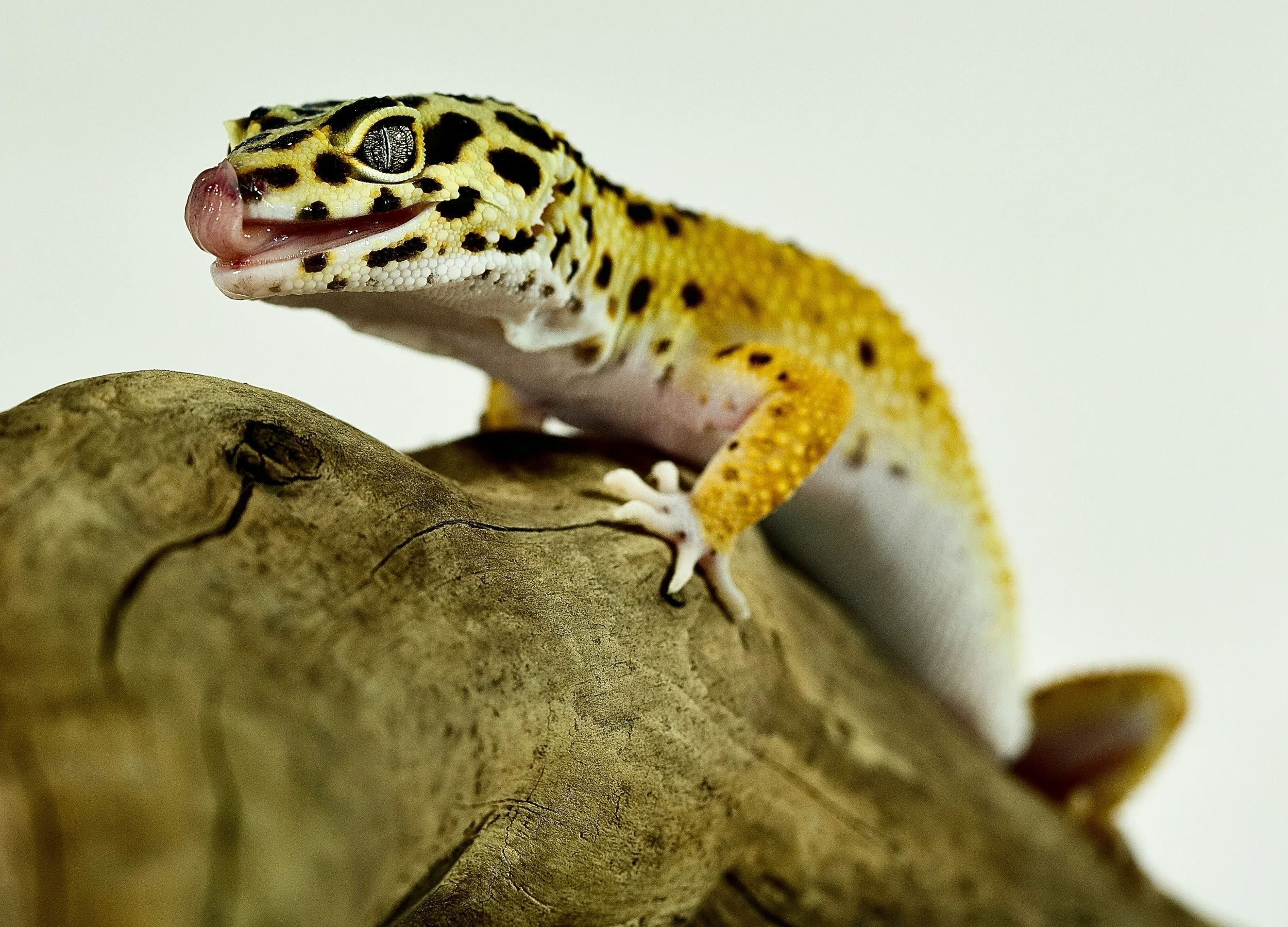
Leopard Gecko
Leopard geckos are one of the most beginner-friendly reptiles available — and for good reason.
They’re:
Calm, ground-dwelling, and slow-moving
Comfortable being handled gently and briefly
Active enough to be interesting, especially at feeding time
Small, contained, and easy to house properly
They don’t need intense lighting setups, and their body language is relatively easy to learn. For children who want to observe, learn, and occasionally interact — leopard geckos are a brilliant starting point.
Best for: Younger children with hands-on adult supervision, or first-time reptile families.
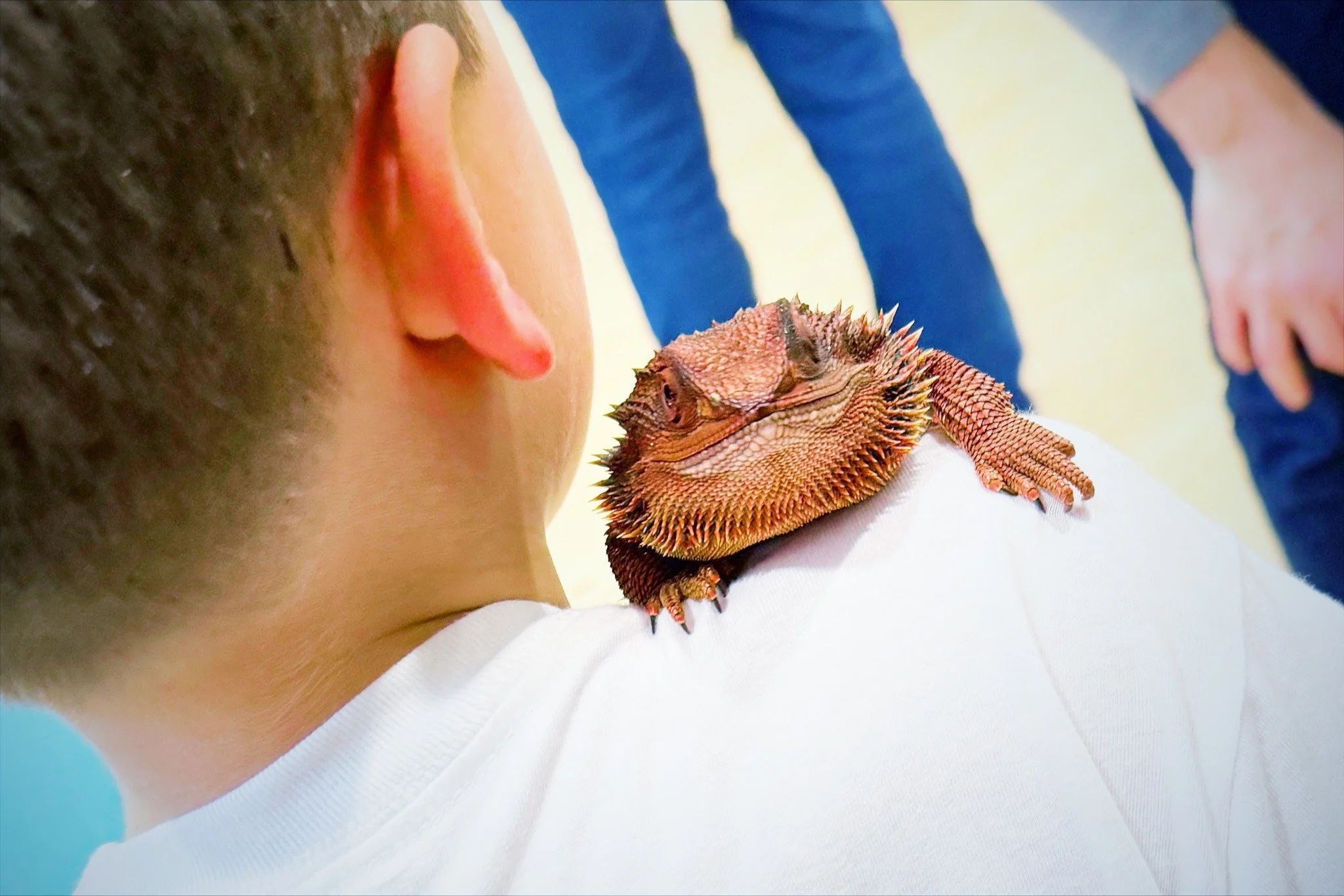
Bearded Dragon
Bearded dragons are often described as “the dogs of the reptile world” — and while that’s a bit of a stretch, they are famously personable.
They’re:
Curious, expressive, and often very tolerant of handling
Diurnal (awake during the day — a big win for kids)
Large enough to feel “substantial” without being intimidating
That said, they do require proper space, UVB lighting, and varied diets. They’re not low-effort pets — but they are deeply rewarding when set up correctly.
Best for: Families ready to invest in a proper setup and long-term care.

Royal Python (Ball Python)
Royal pythons are often misunderstood — but in the right environment, they can be excellent family reptiles.
They’re:
Naturally shy, calm, and non-defensive
Slow-moving and predictable
Content spending much of their time resting
They don’t need handling, but many tolerate calm interaction very well. Feeding is infrequent, which reduces daily pressure — though adults should always manage this aspect.
Best for: Older children, calm households, and families who value observation over constant interaction.
The worst exotic pets for kids (even though they’re popular)
These animals are often marketed as “cute” or “cool” — but they are poor matches for children and frequently suffer in family homes.
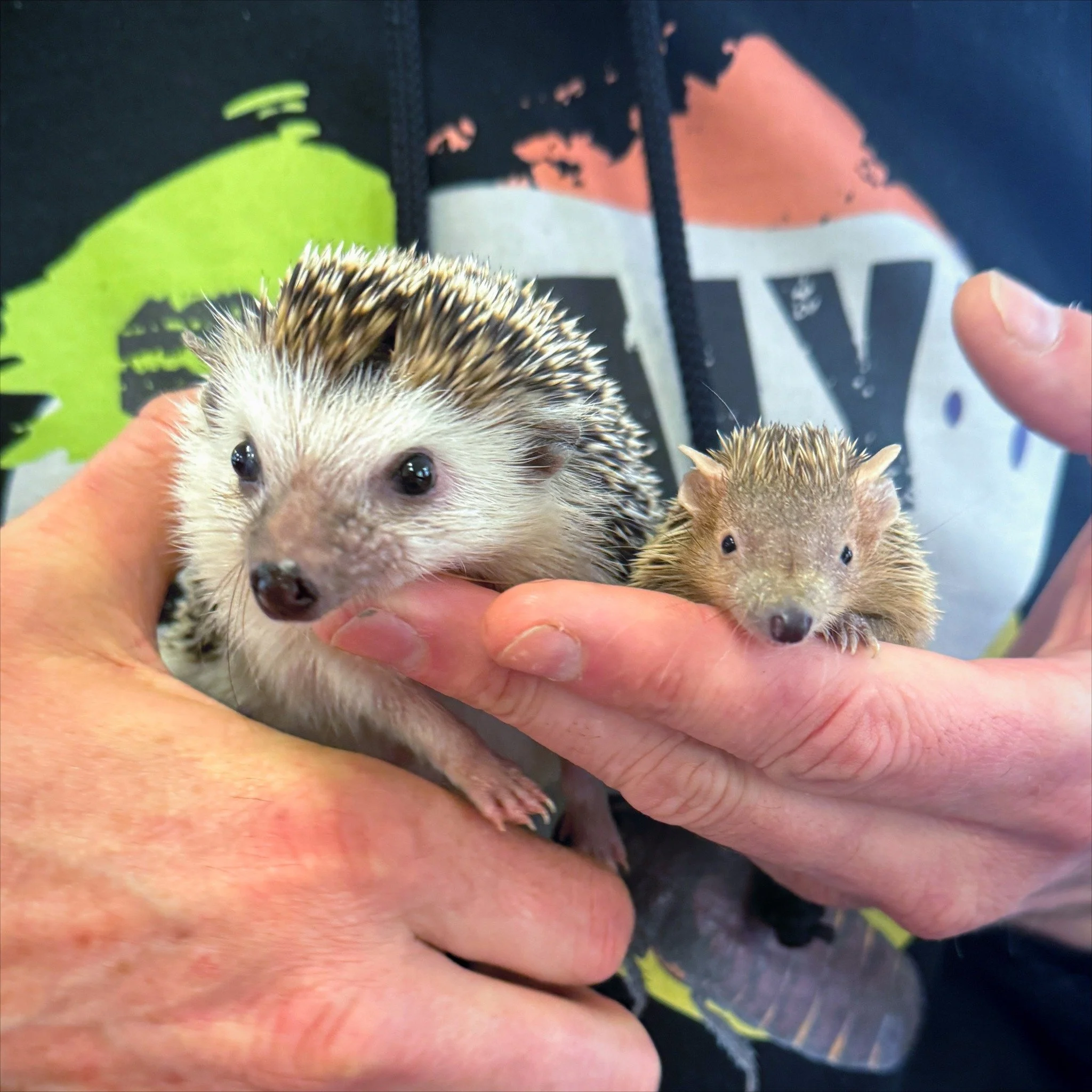
Tenrecs & African Pygmy Hedgehogs
These small mammals look like ideal pets. In reality, they are:
Highly stress-prone
Nocturnal (awake when children are asleep)
Easily frightened by noise, movement, and handling
Prone to curling up, biting, or shutting down
Many tolerate humans rather than enjoying interaction — and children often feel rejected or upset when the animal doesn’t respond as hoped.
Common outcome: A stressed animal and a disappointed child.
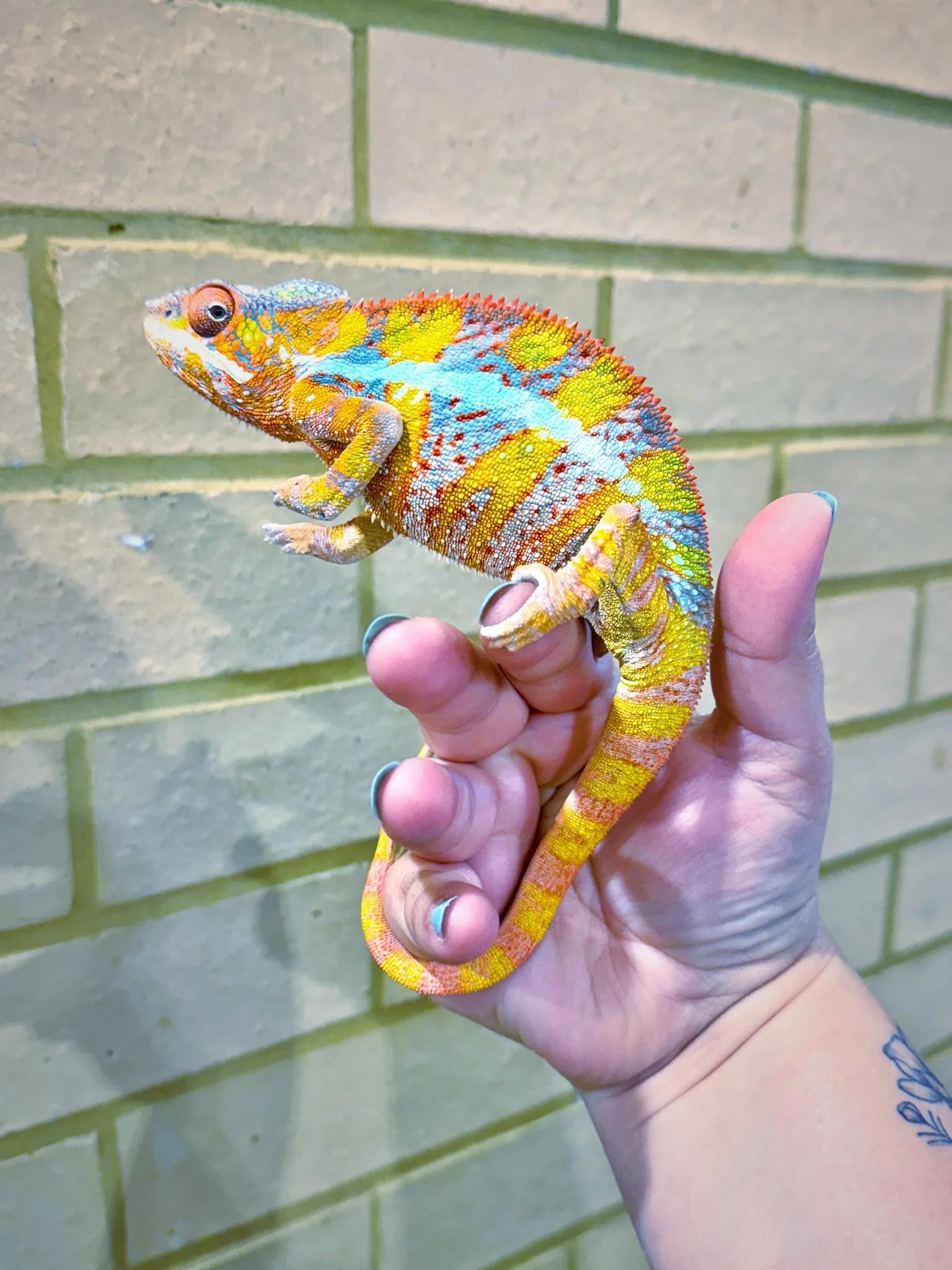
Chameleons
Chameleons are stunning. They are also one of the worst reptiles for family homes.
They:
Do not enjoy handling
Become stressed by visibility and movement
Require highly specific humidity, lighting, and feeding
Hide stress extremely well — until they don’t
Chameleons are display animals, not companion pets. For children especially, they almost always lead to unintentional harm.
Hard truth: Loving a chameleon usually means leaving it alone.
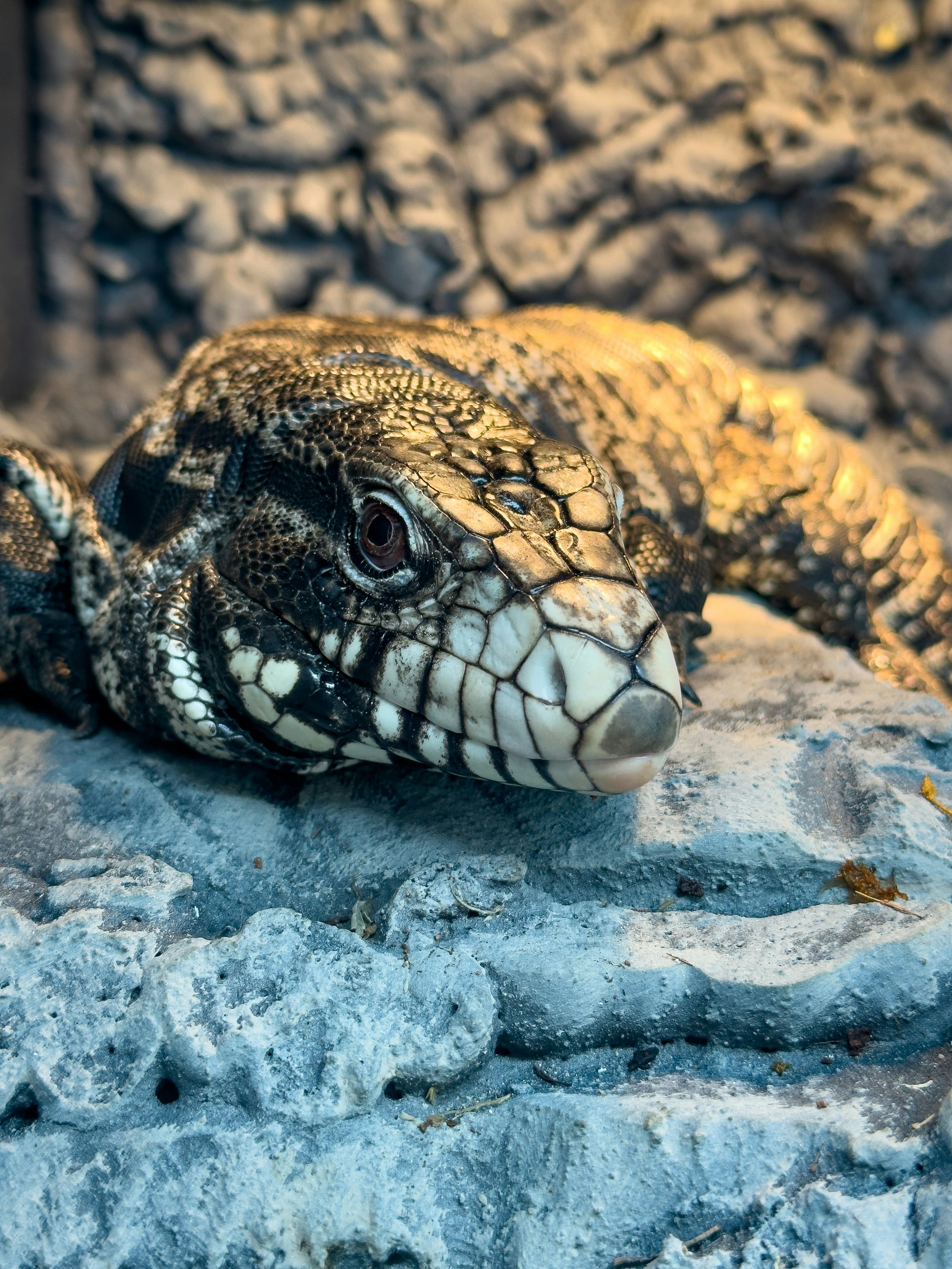
Large Lizards (Iguanas, Tegus, etc.)
Large lizards are often sold as impressive juveniles — without honest conversations about adulthood.
They:
Grow very large, very quickly
Require entire rooms or custom enclosures
Can become defensive, territorial, or unpredictable
Need advanced handling skills and physical confidence
These animals regularly outgrow family homes — and are among the most commonly rehomed exotics.
If a pet needs to be “handled confidently” to be safe, it’s not a child’s pet.
A gentle but important reminder
No exotic pet should ever be a child’s responsibility.
Children can help, learn, observe, and build empathy — but adults must be the primary caregivers. When that’s true, the experience can be magical. When it’s not, animals pay the price.
If you’re unsure, that hesitation is wisdom — not failure.
Learn more about our sessions: