
Amazing Animals
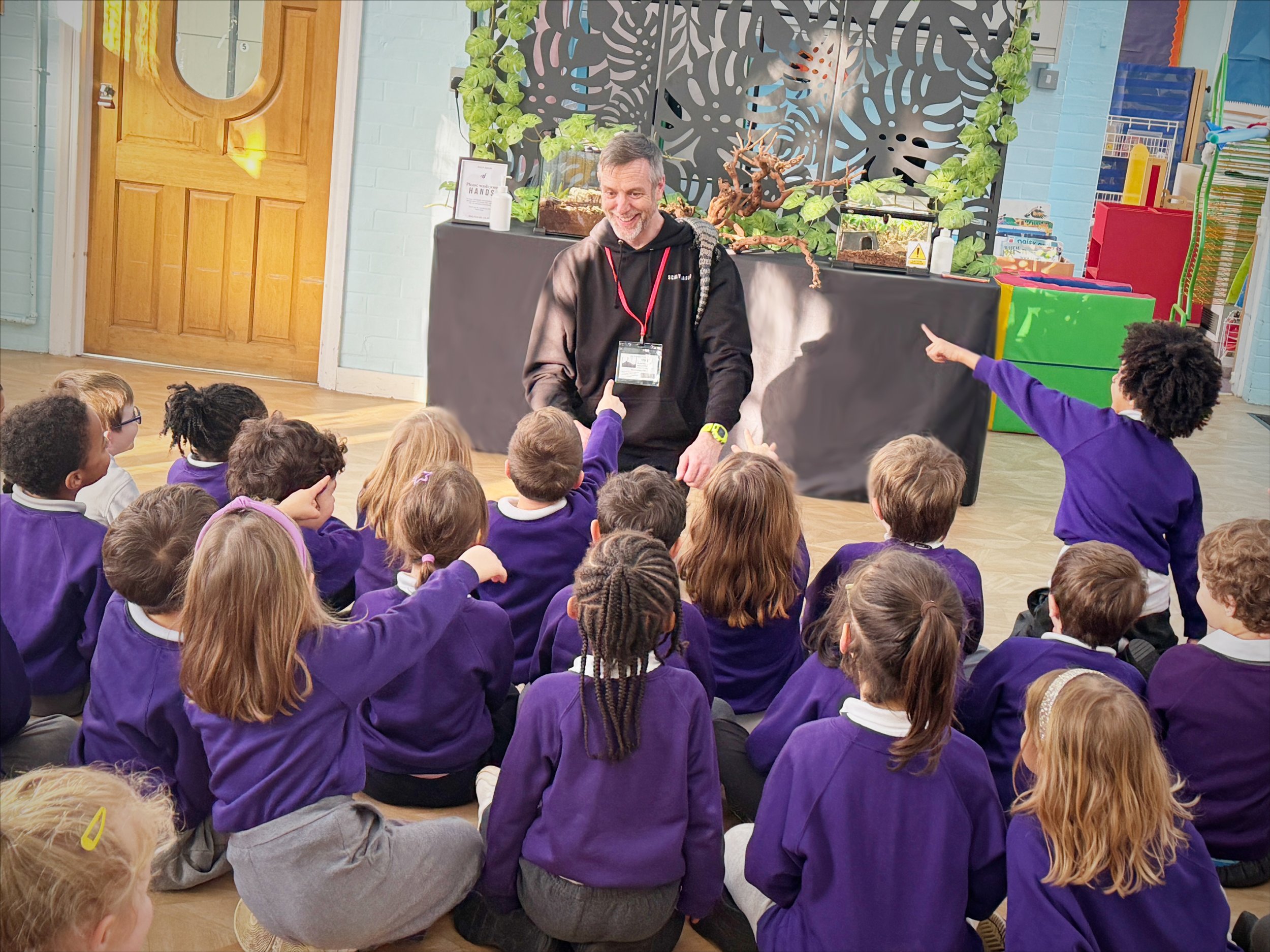
A high-quality, curriculum-linked workshop for KS2 - bringing classification and adaptations to life with real animals.
Our Amazing Animals lesson is designed to boost science learning through real-life demonstrations with mammals, reptiles, invertebrates and more. This session supports the National Curriculum for KS2 - and is available in both in-person and digital formats.
CURRICULUM MAPPING:
-
Grouping and classifying
Using classification keys
Adaptations and survival
Evolution foundations
Scientific vocabulary & enquiry skills
A high-quality lesson created for teachers, by a teacher
Pupils will explore how animals are grouped and classified, learning to identify key groups such as mammals, reptiles, amphibians, invertebrates, arachnids and myriapods. They’ll compare similarities and differences between animals, including warm-blooded and cold-blooded species, exoskeletons and endoskeletons, body coverings, and different ways animals are born.
Through close observation of live animals, pupils will also learn what adaptations are and why they matter, exploring real examples of camouflage, defence mechanisms, heat-sensing, movement, climbing and habitat suitability.
Alongside scientific knowledge, sessions develop observation and questioning skills, encourage teamwork, and foster respect for animals and the natural world, using simple, age-appropriate scientific vocabulary throughout.
What they’ll learn
Pupils will explore how animals are grouped and classified, learning to identify key groups such as mammals, reptiles, amphibians, invertebrates, arachnids and myriapods. They’ll compare similarities and differences between animals, including warm-blooded and cold-blooded species, exoskeletons and endoskeletons, body coverings, and different ways animals are born.
Through close observation of live animals, pupils will also learn what adaptations are and why they matter, exploring real examples of camouflage, defence mechanisms, heat-sensing, movement, climbing and habitat suitability.
Alongside scientific knowledge, sessions develop observation and questioning skills, encourage teamwork, and foster respect for animals and the natural world, using simple, age-appropriate scientific vocabulary throughout.
Animals they’ll meet
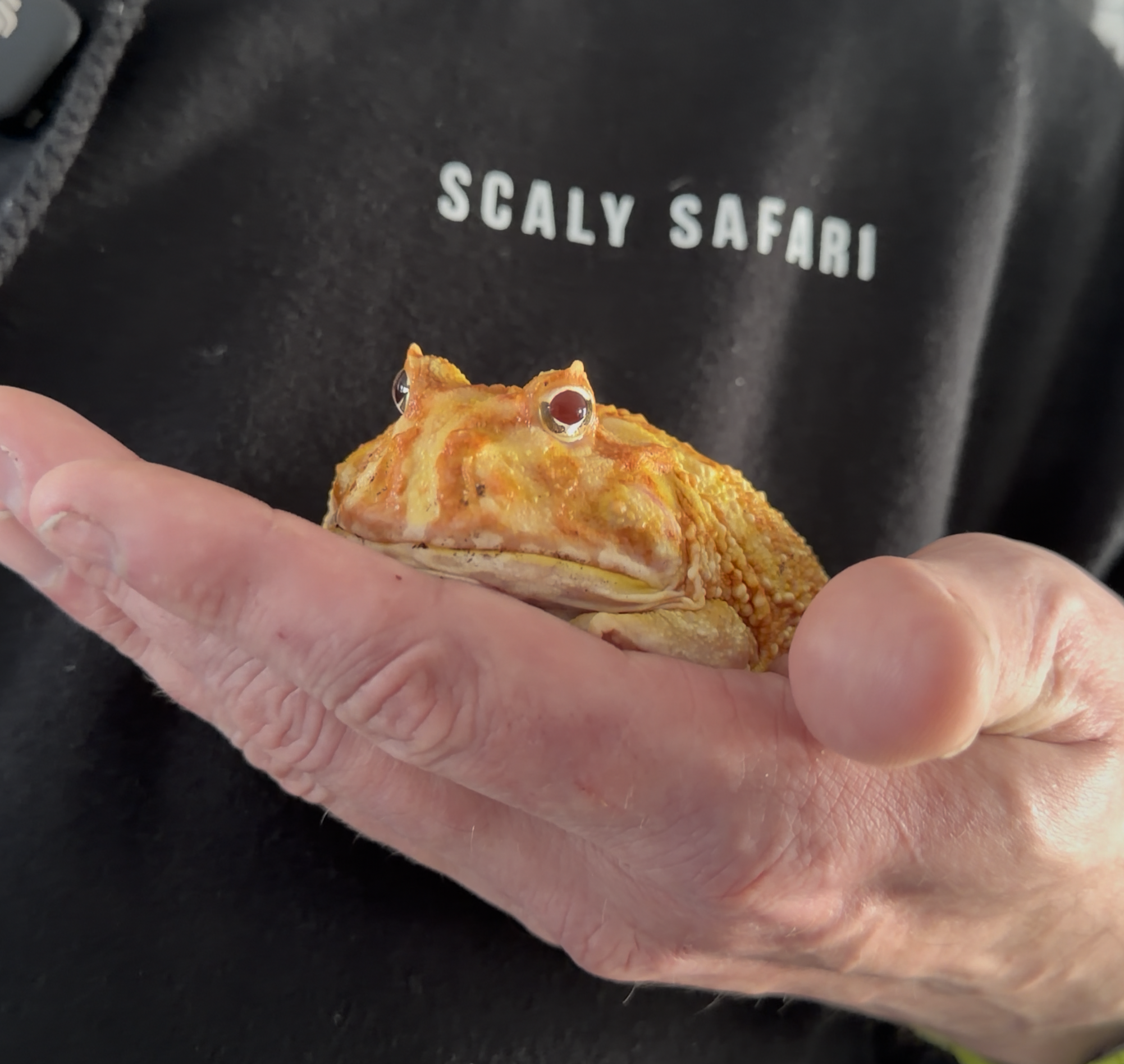
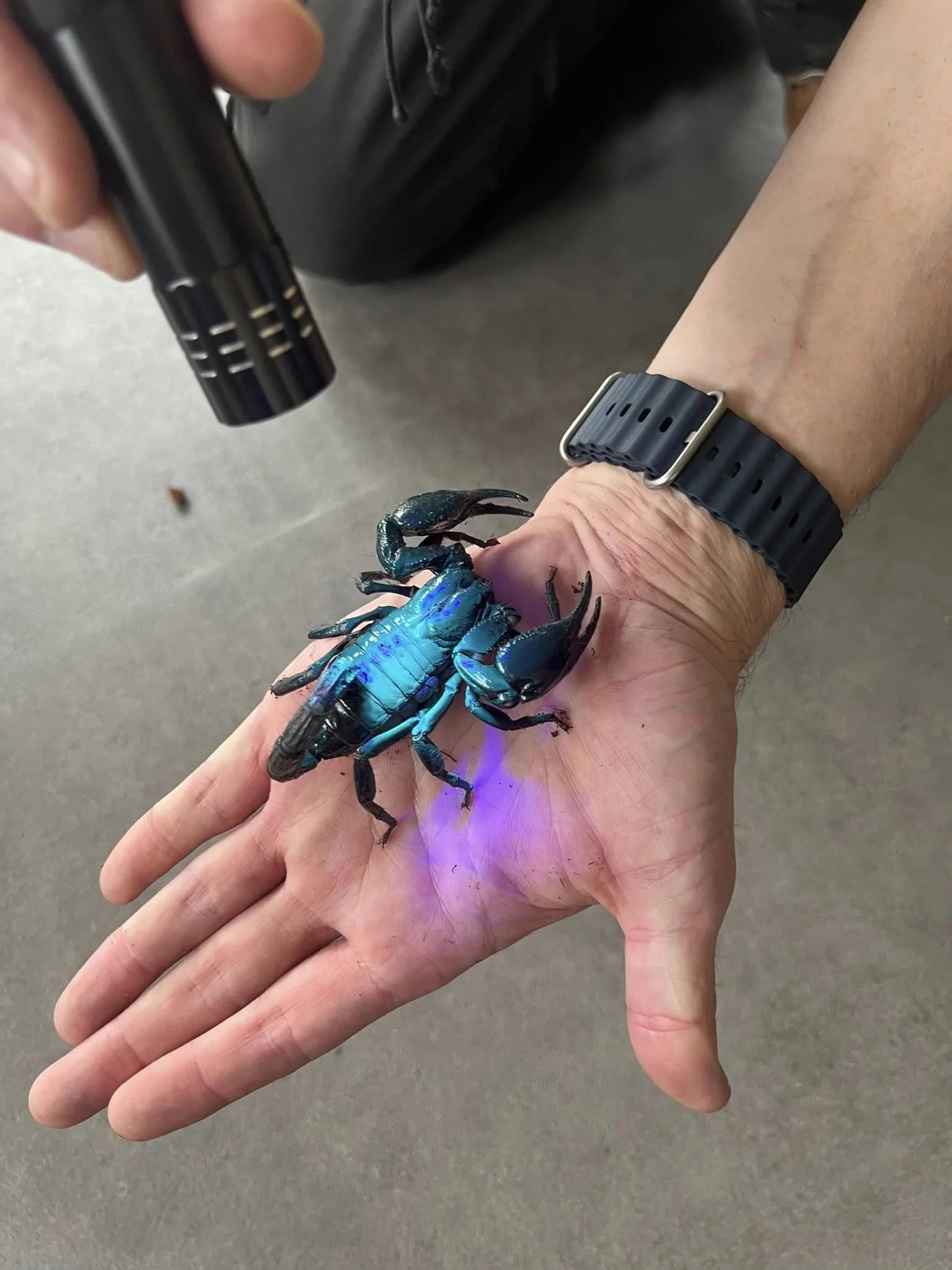
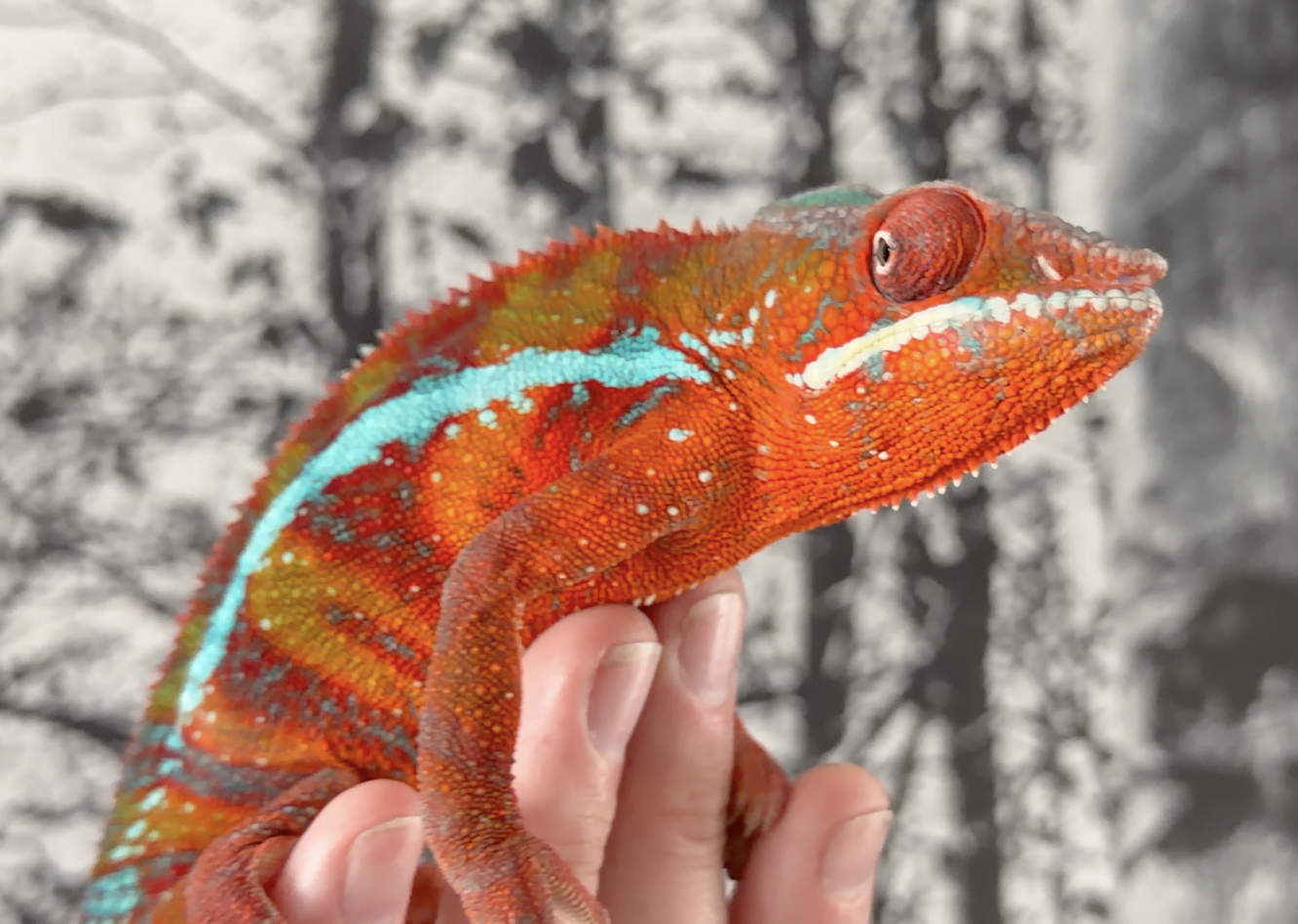
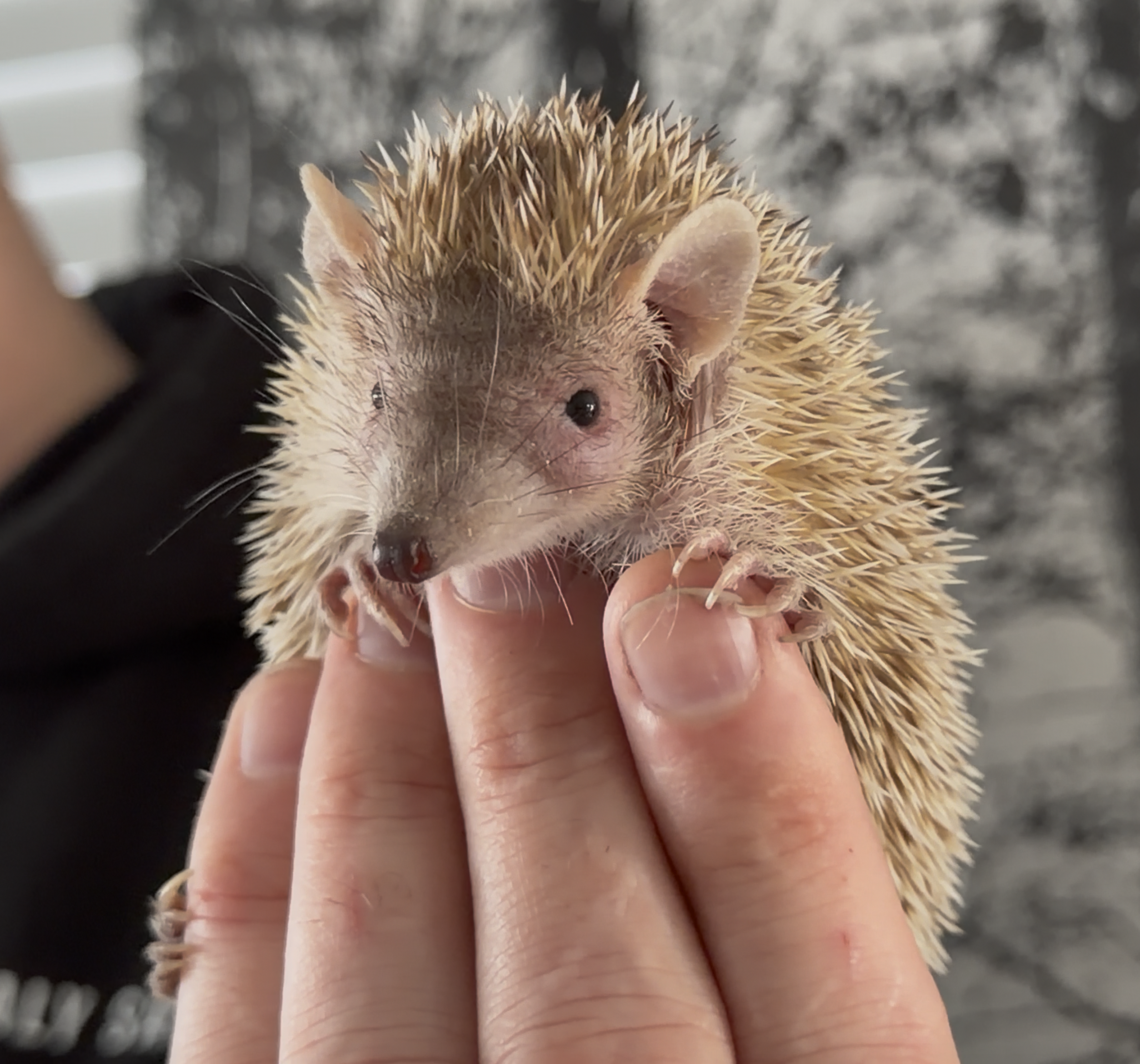
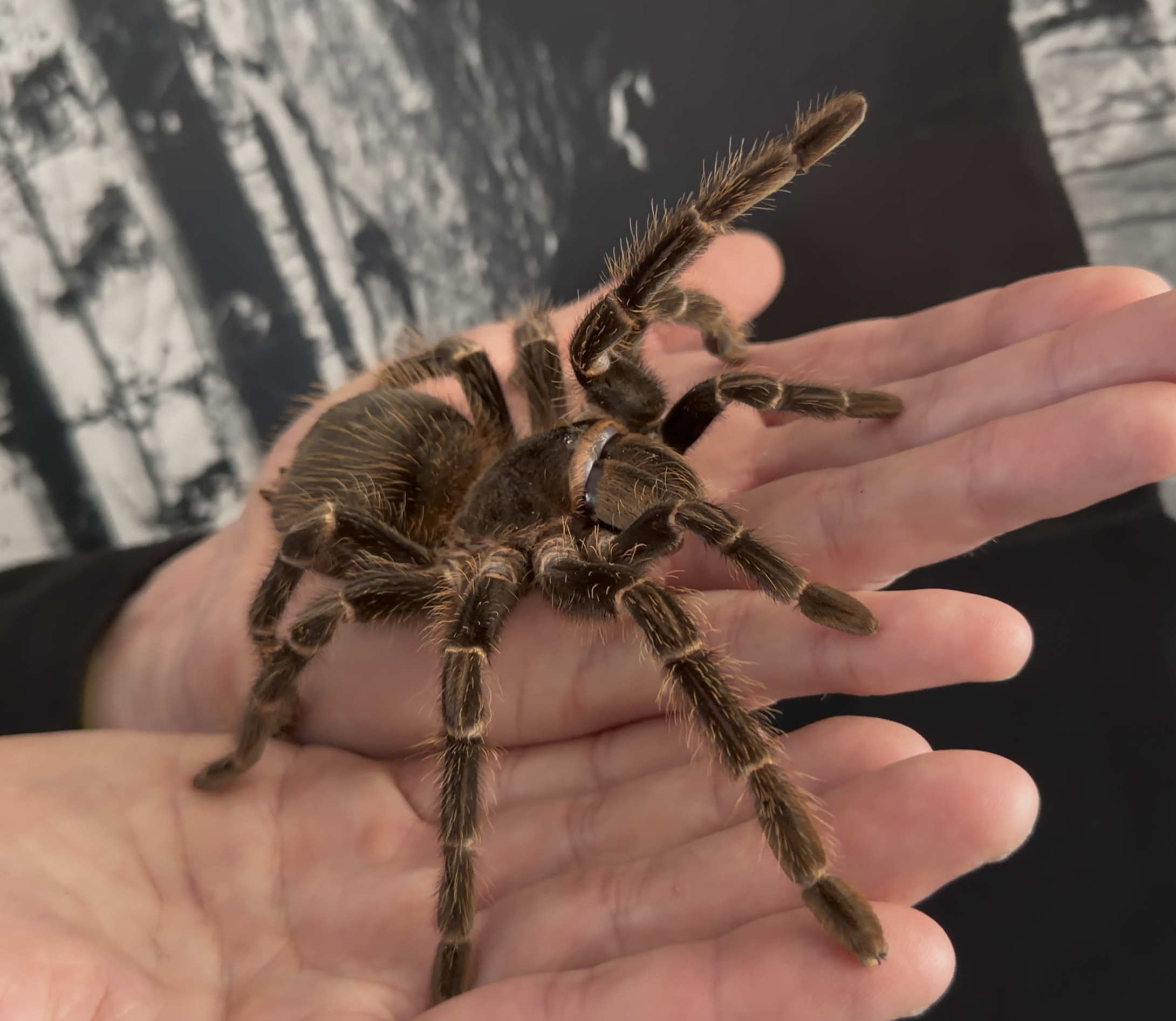
Depending on animal welfare and suitability on the day, pupils may meet a carefully selected mix of animals from different classifications — such as a lizard or snake (reptiles), a tenrec (mammal), a horned frog (amphibian), and invertebrates including tarantulas, scorpions, and millipedes — chosen to support learning through close observation.
Each animal is selected for its clear, visible adaptations, such as warning colours, camouflage, defensive spines, or specialised body structures, making scientific concepts easy for pupils to recognise and discuss.
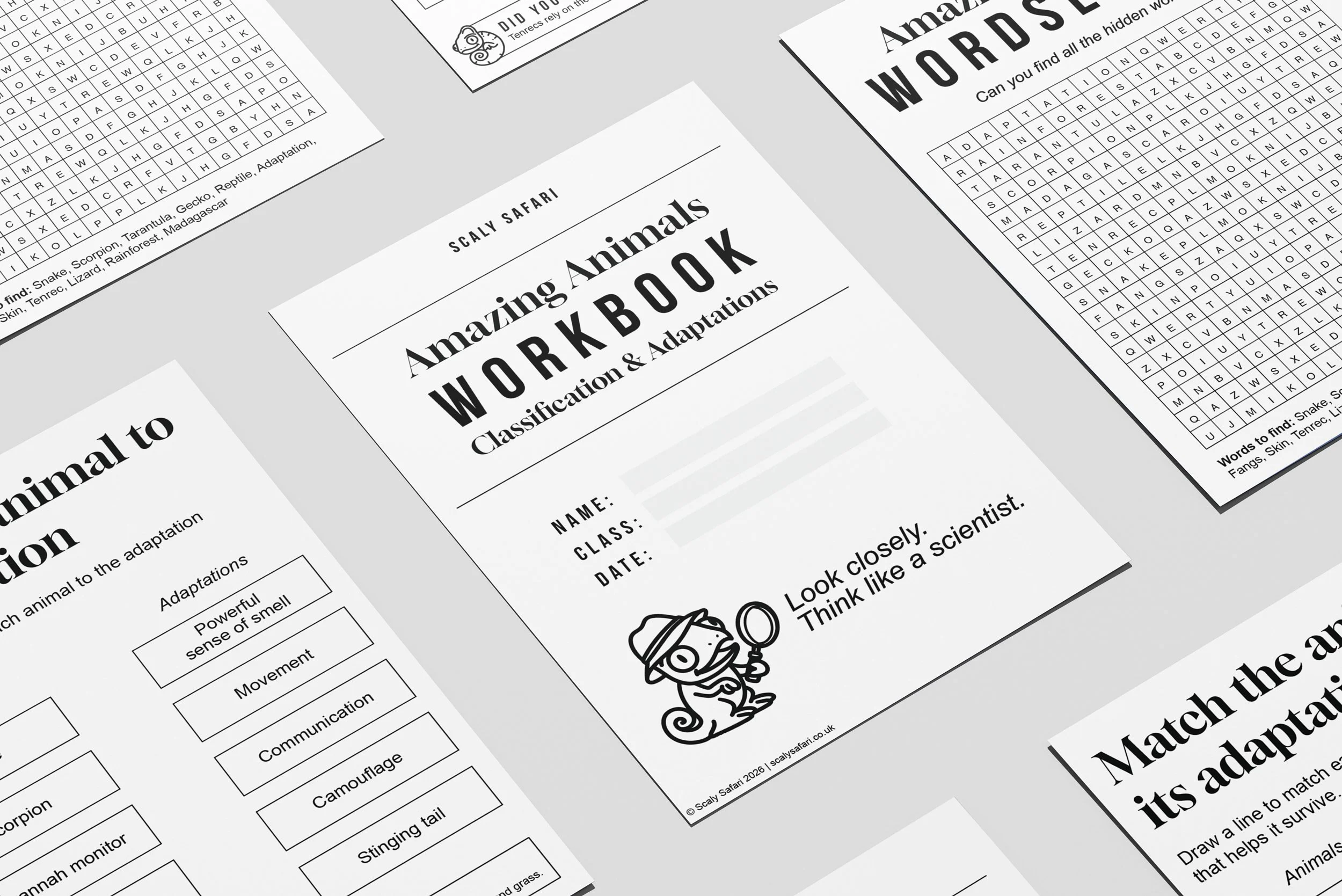
Why schools choose Scaly Safari
✔ Fully mapped to Animals Including Humans & Living Things and Their Habitats
✔ Highly interactive: real animals, real science
✔ Perfect for science week, topic launches & class rewards
✔ Affordable options (school-funded • PTA-funded • parent-funded)
✔ Delivered by experienced animal educators
✔ Fully licensed, insured, and DBS-checked
Pricing
Our school workshops are priced by time, not per pupil, making costs simple and transparent for schools.
Indicative pricing:
1 workshop (1 hour): £175
2 workshops (2 hours): £300
Half day (3 hours): £425
Prices reflect curriculum-aligned sessions delivered by experienced educators, with all animals, equipment, and facilitation included.
Travel is included within a local radius, with any additional mileage quoted clearly in advance. There are no hidden fees, per-pupil charges, or unexpected extras — the full cost is always confirmed before booking.
Availability & cost
To book, simply get in touch with your preferred date and workshop choice. We’ll confirm availability and send a written quotation for approval before anything is booked.